Balanoor Plantations
Karnataka, India
Balanoor represents another side of Karnataka coffee, one where long estate experience meets scale, consistency, and a wide range of coffees.
Historic Estate · Arabica & Robusta · Karnataka
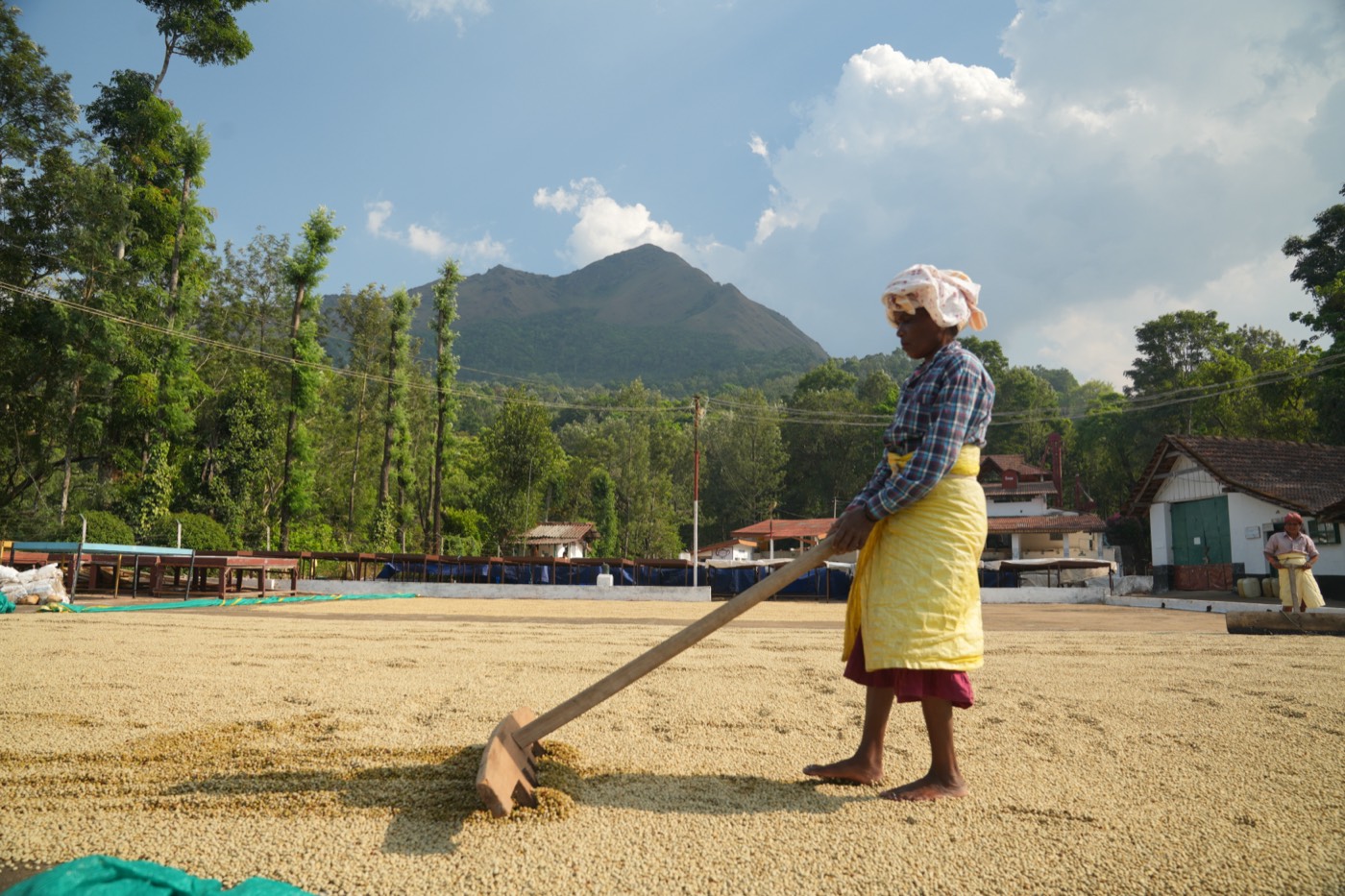
Balanoor represents another side of Karnataka coffee, one where long estate experience meets scale, consistency, and a wide range of coffees.
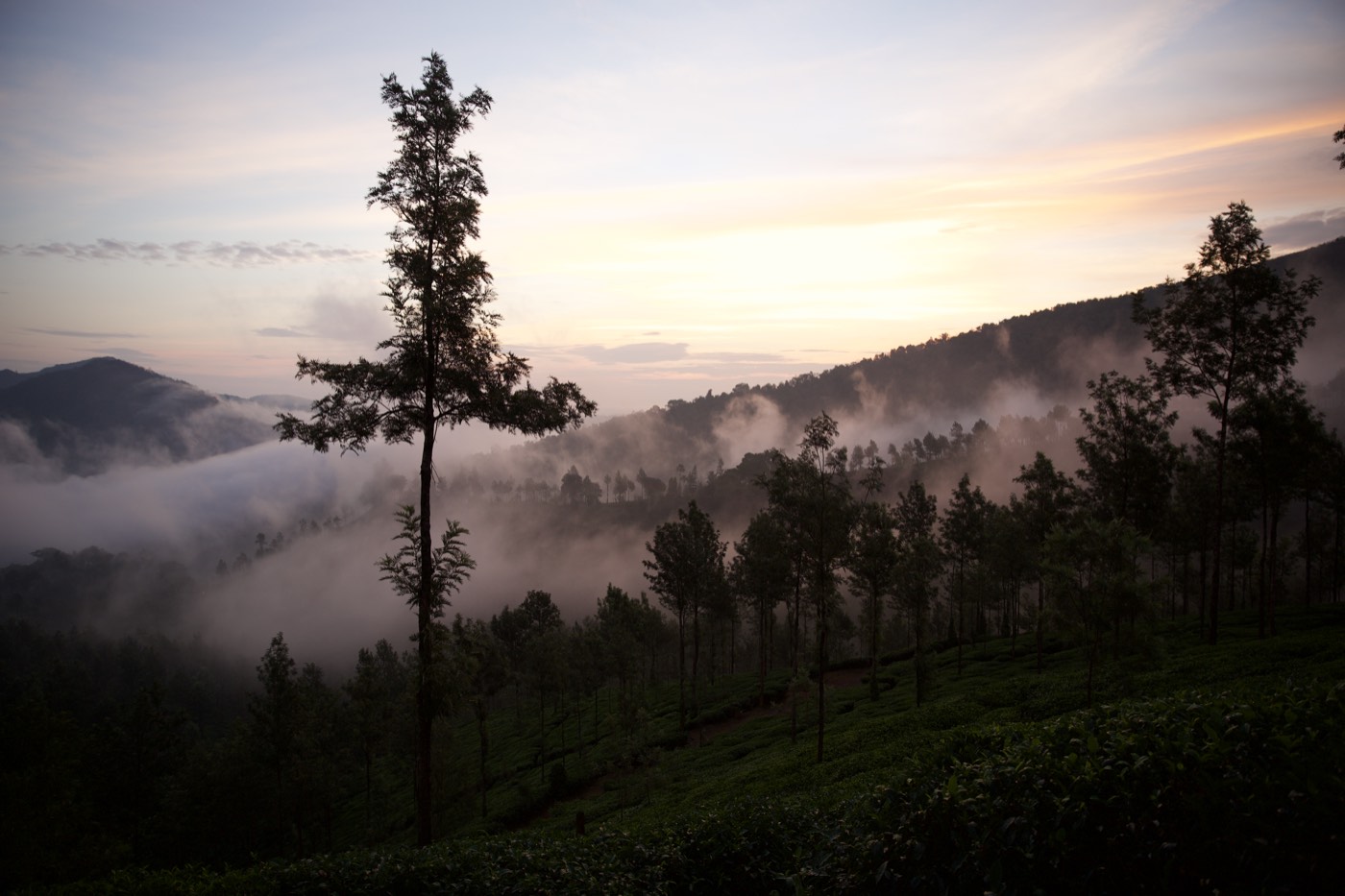
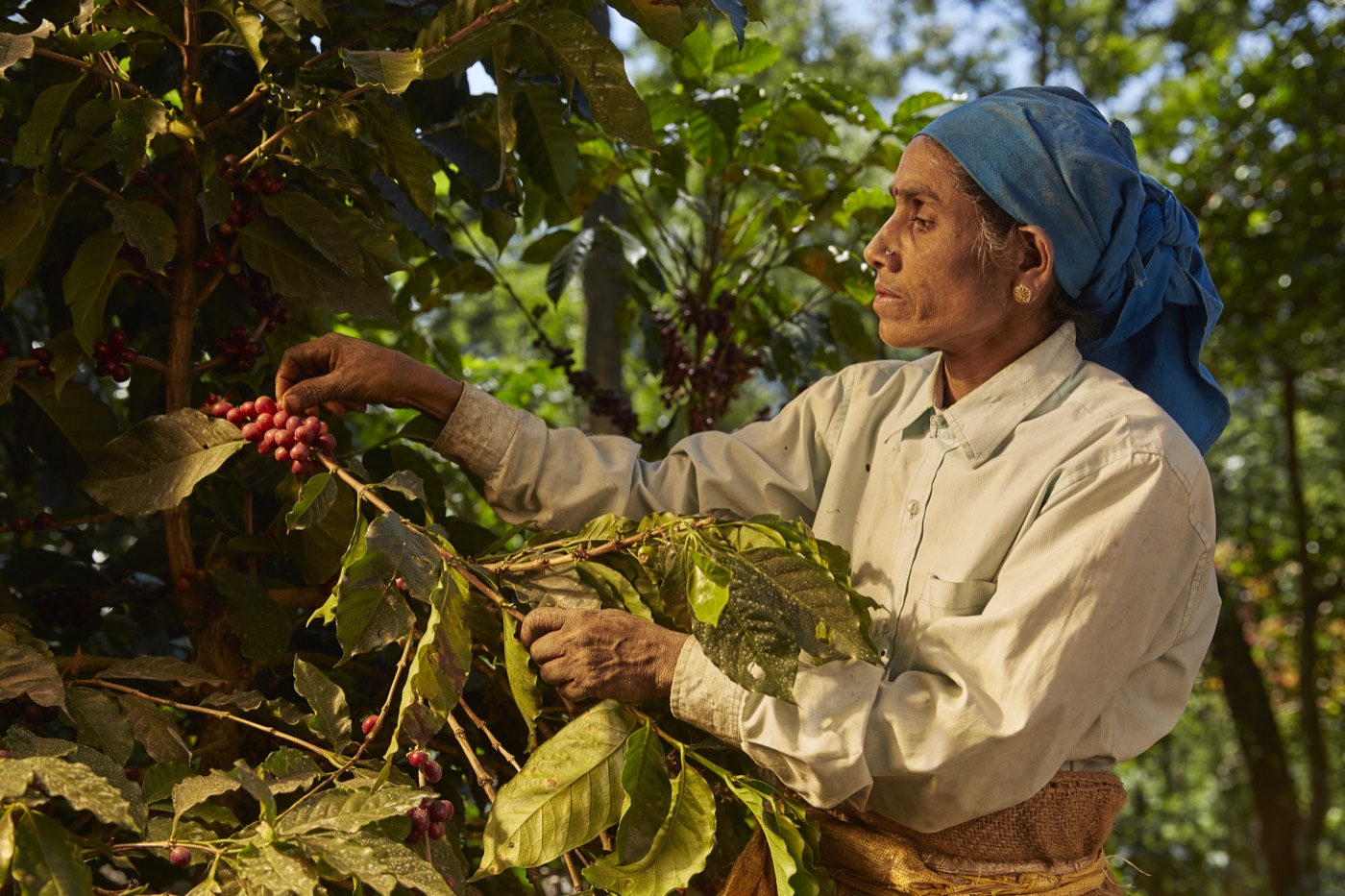
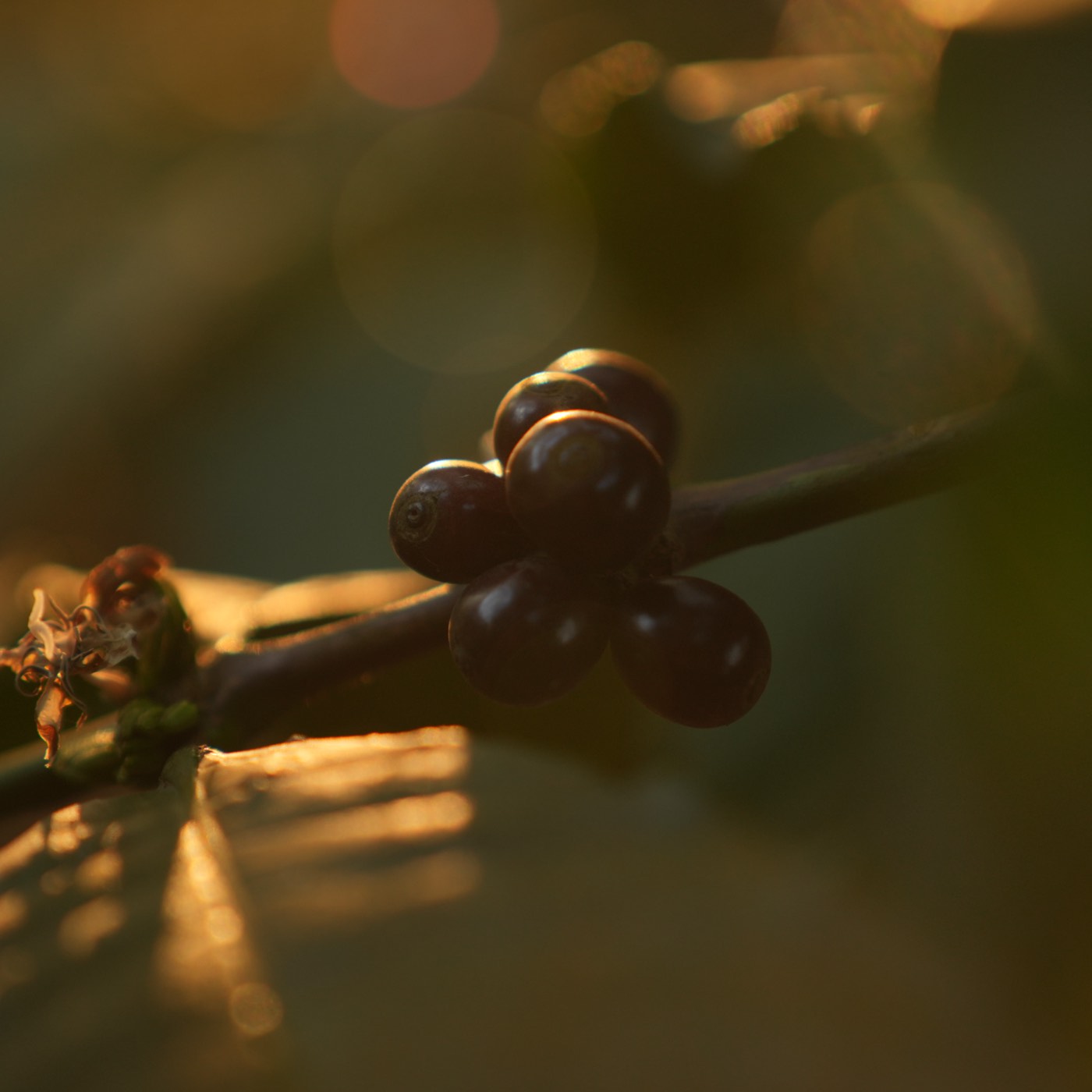
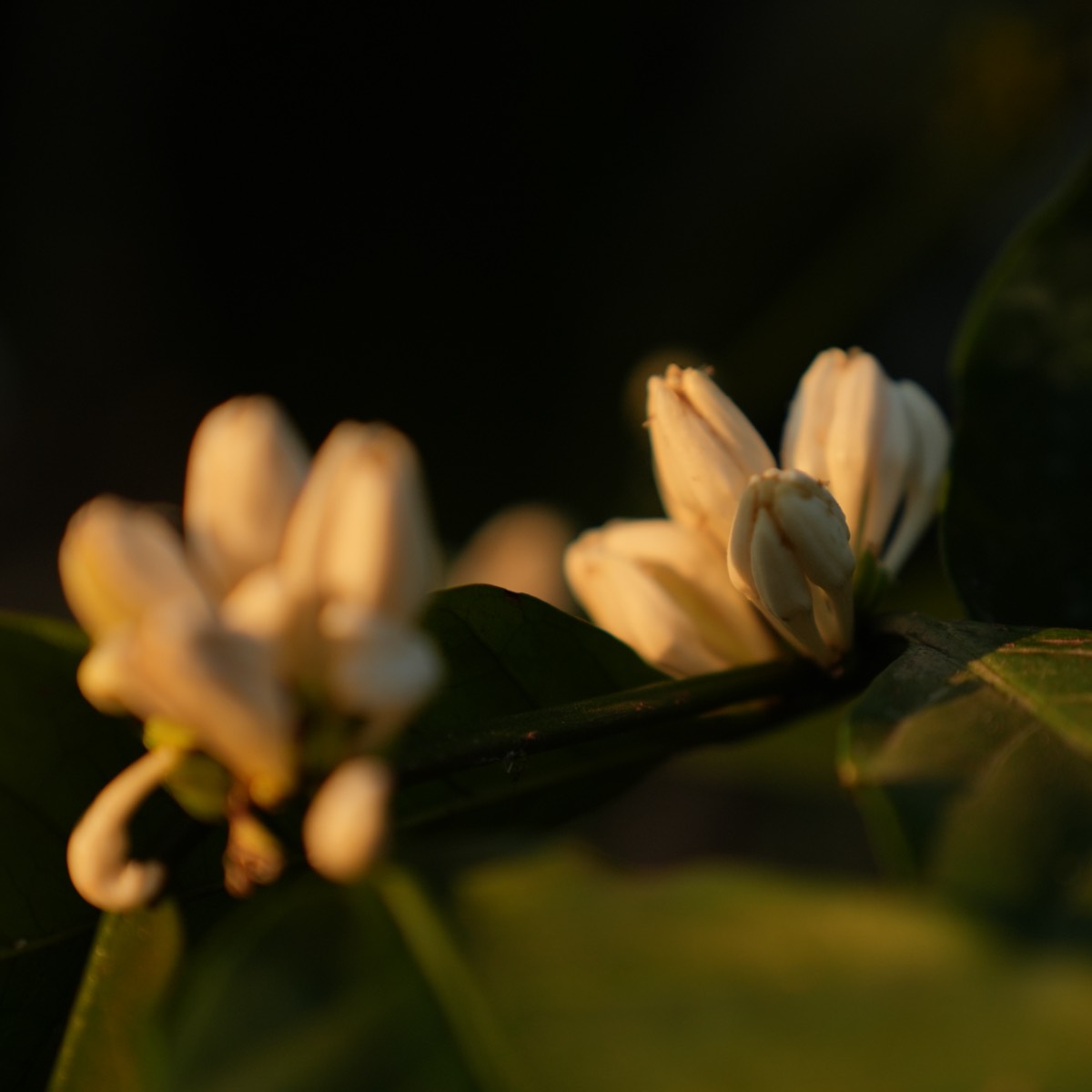
The estate grows Arabica and Robusta alongside tea, rubber, pepper, and arecanut, and it works with traditional Indian Arabica cultivars that matter to India’s fine-cup identity. For roasters, that shifts the conversation away from process alone and back toward the plant itself. A coffee can be interesting because of how it was fermented, but it can also be interesting because of the variety, the place where it grew, and the way those two things interact.
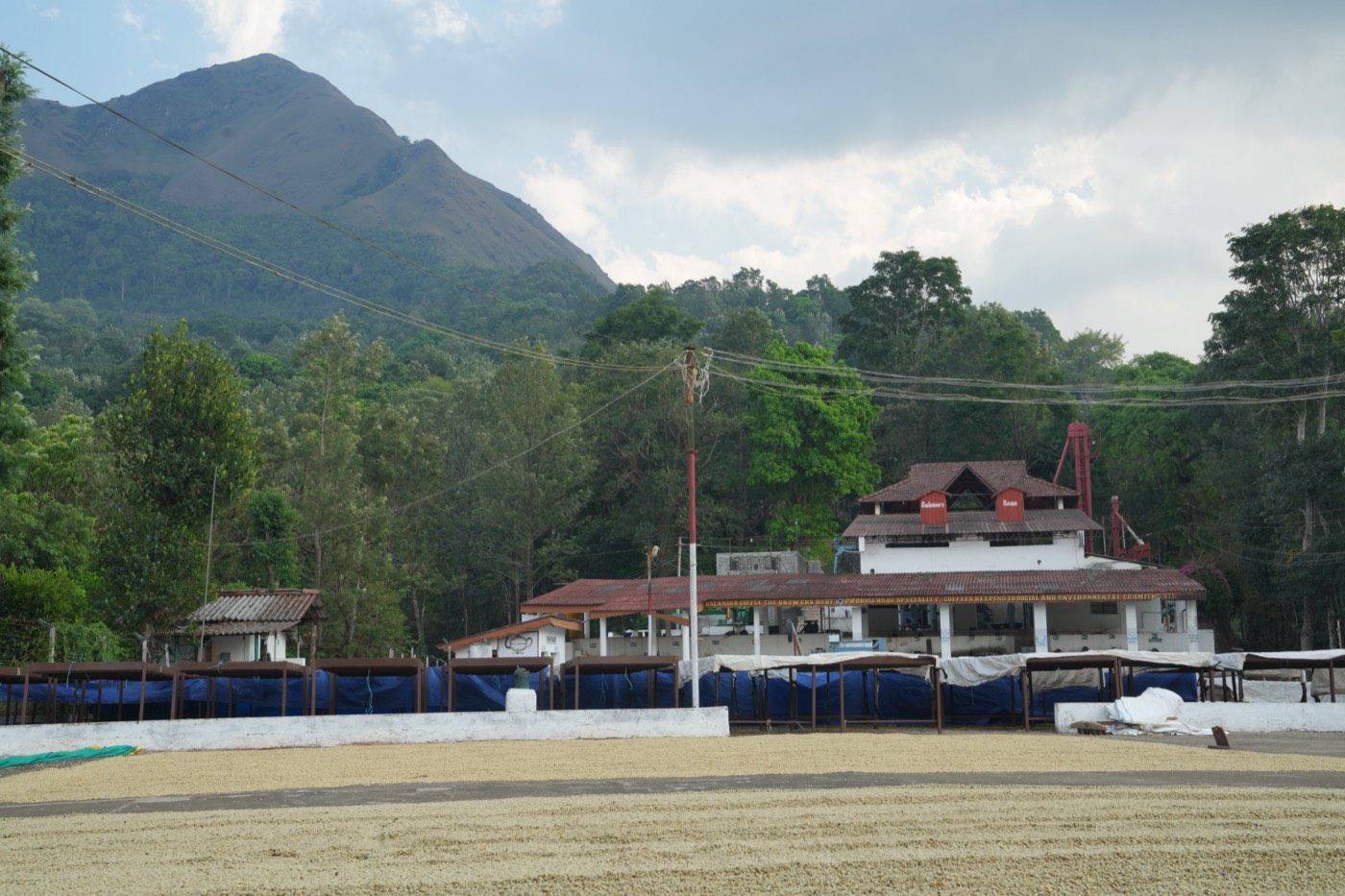
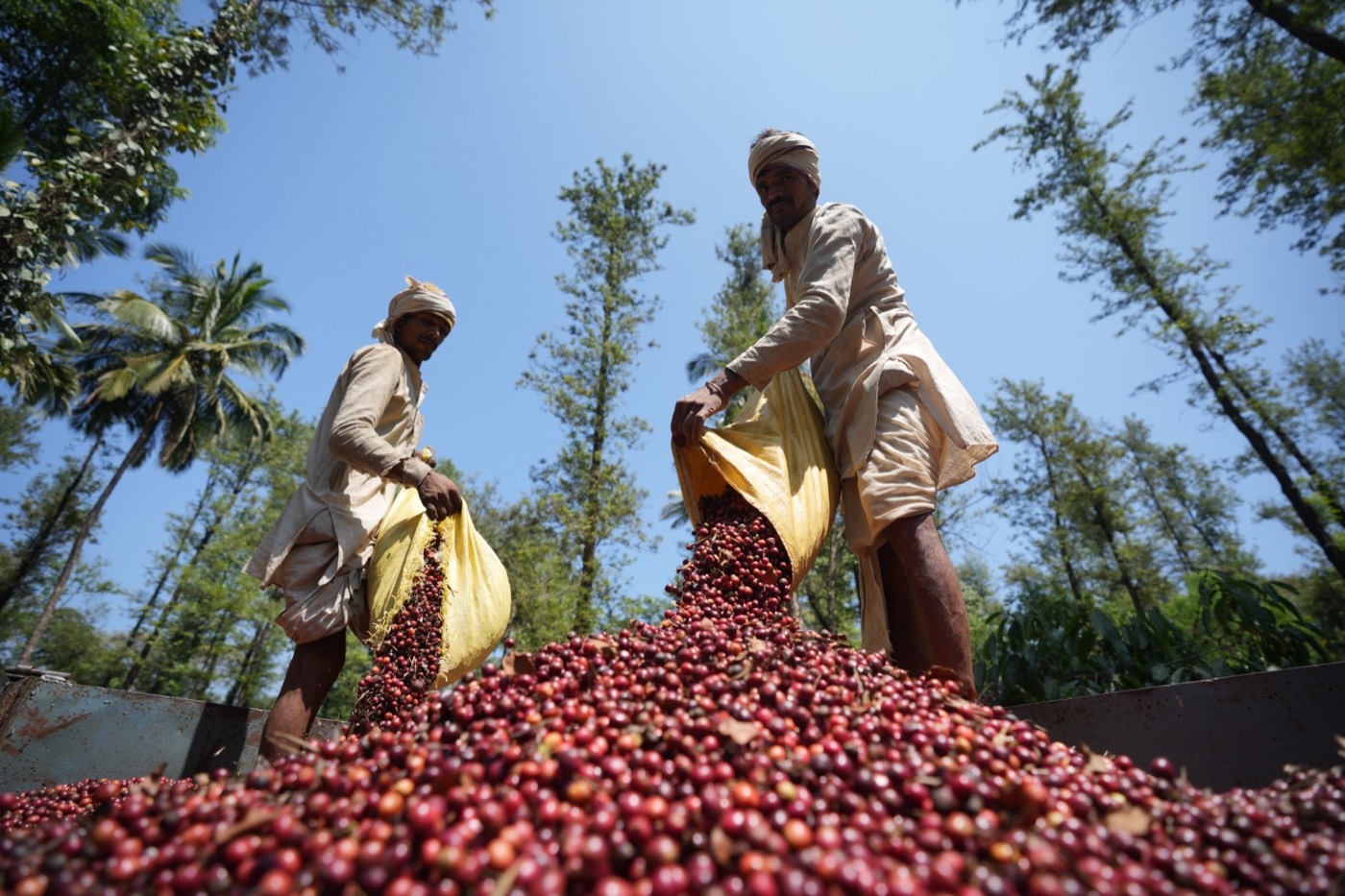
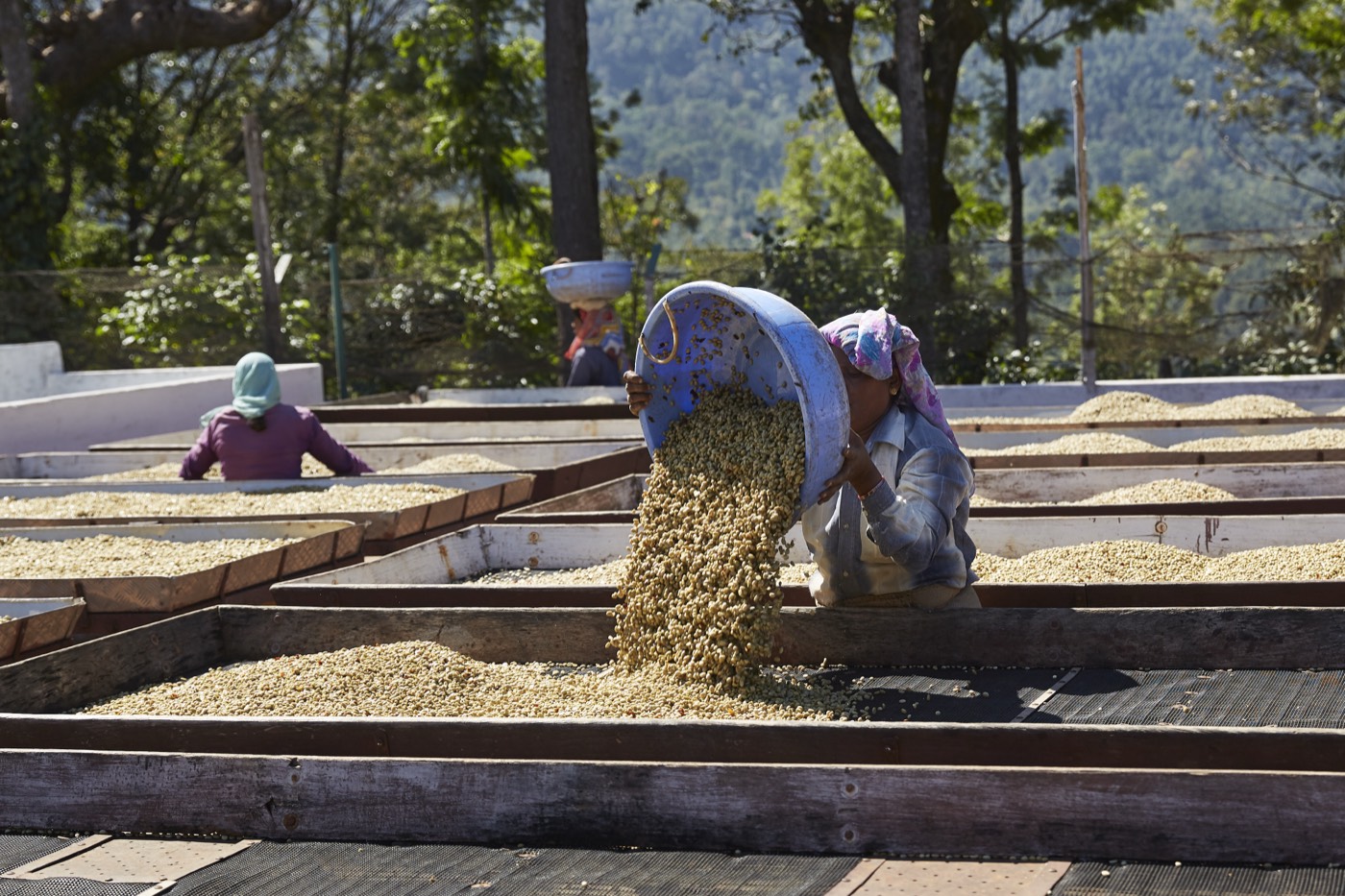
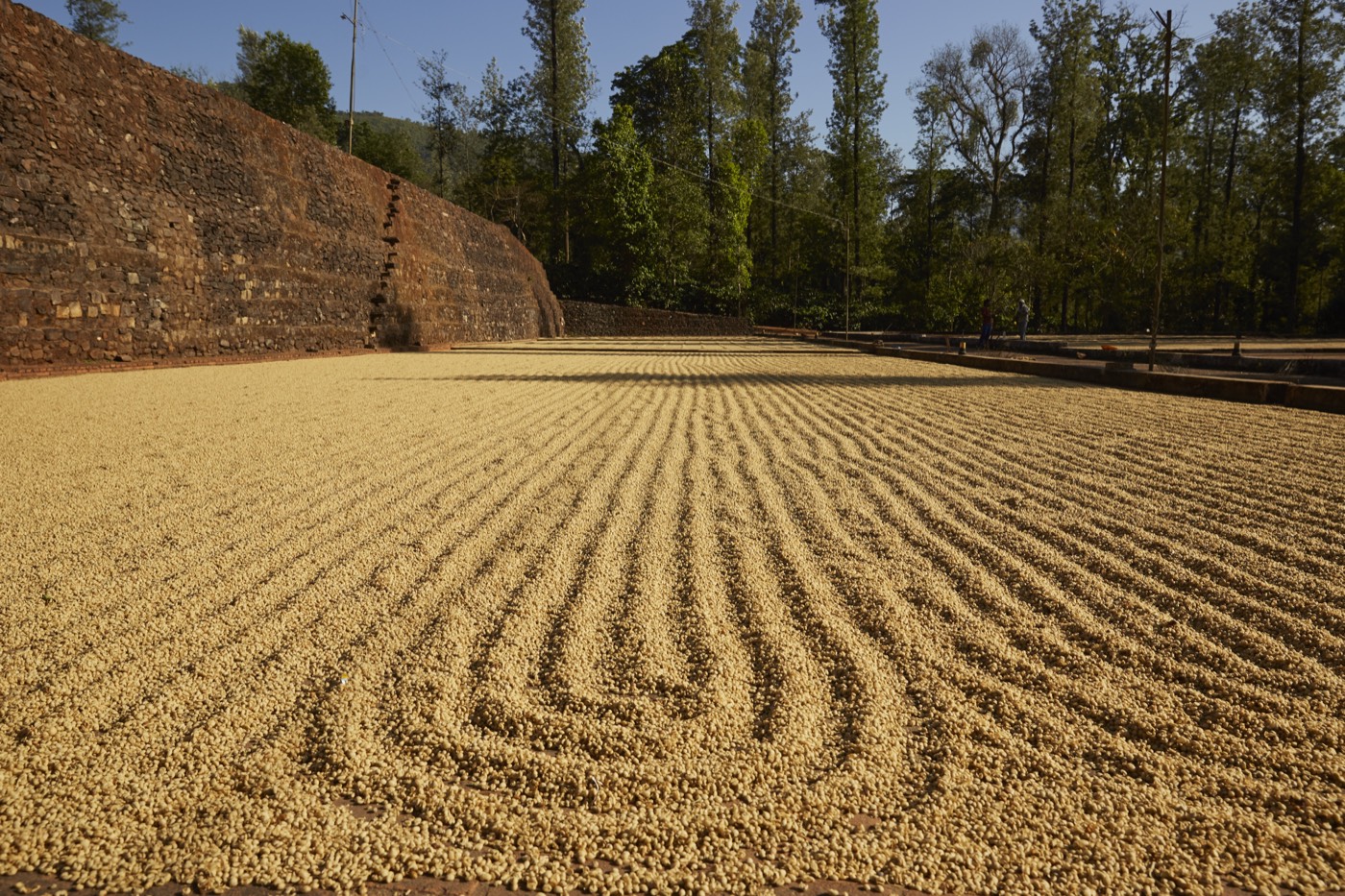
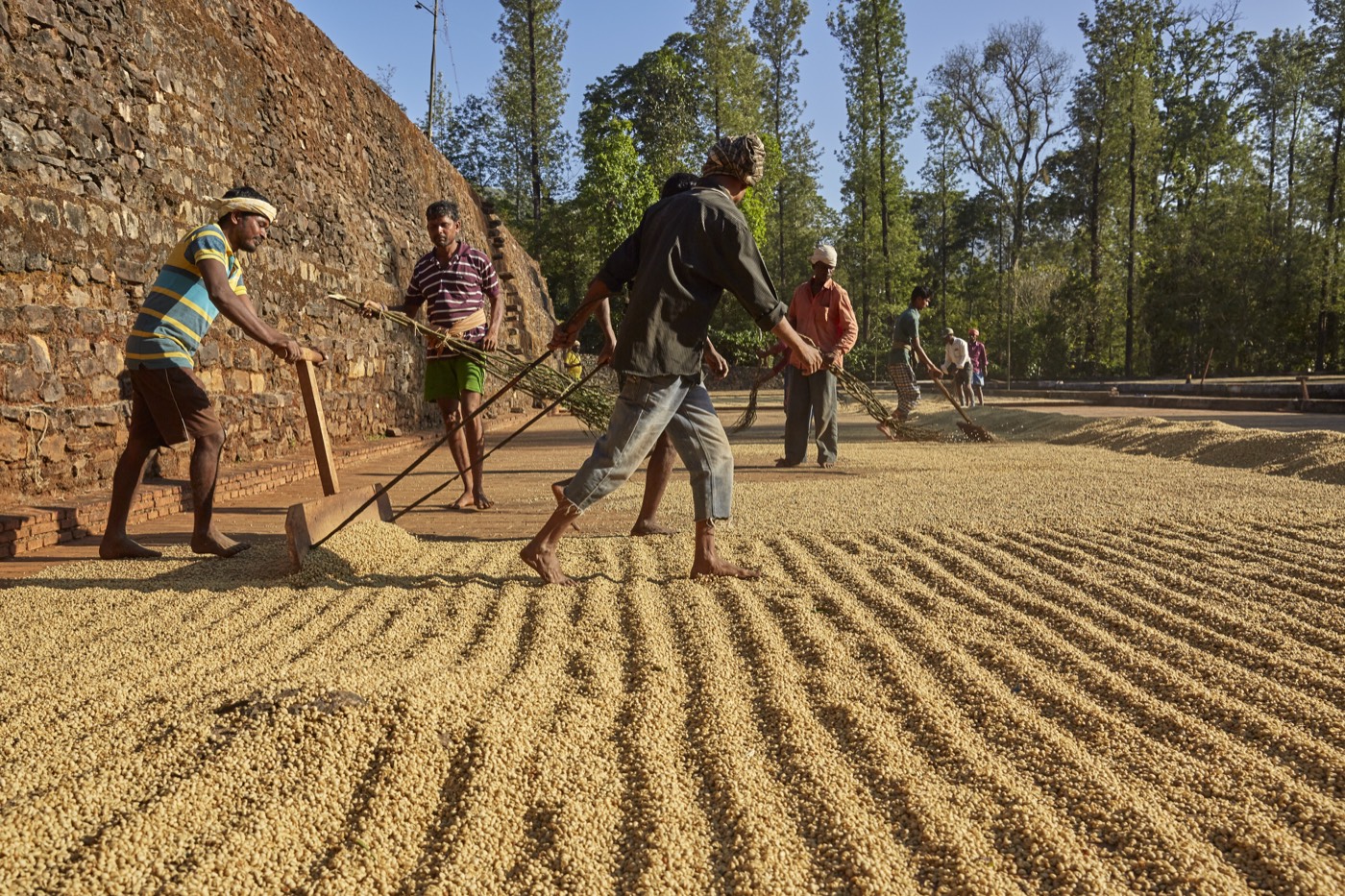
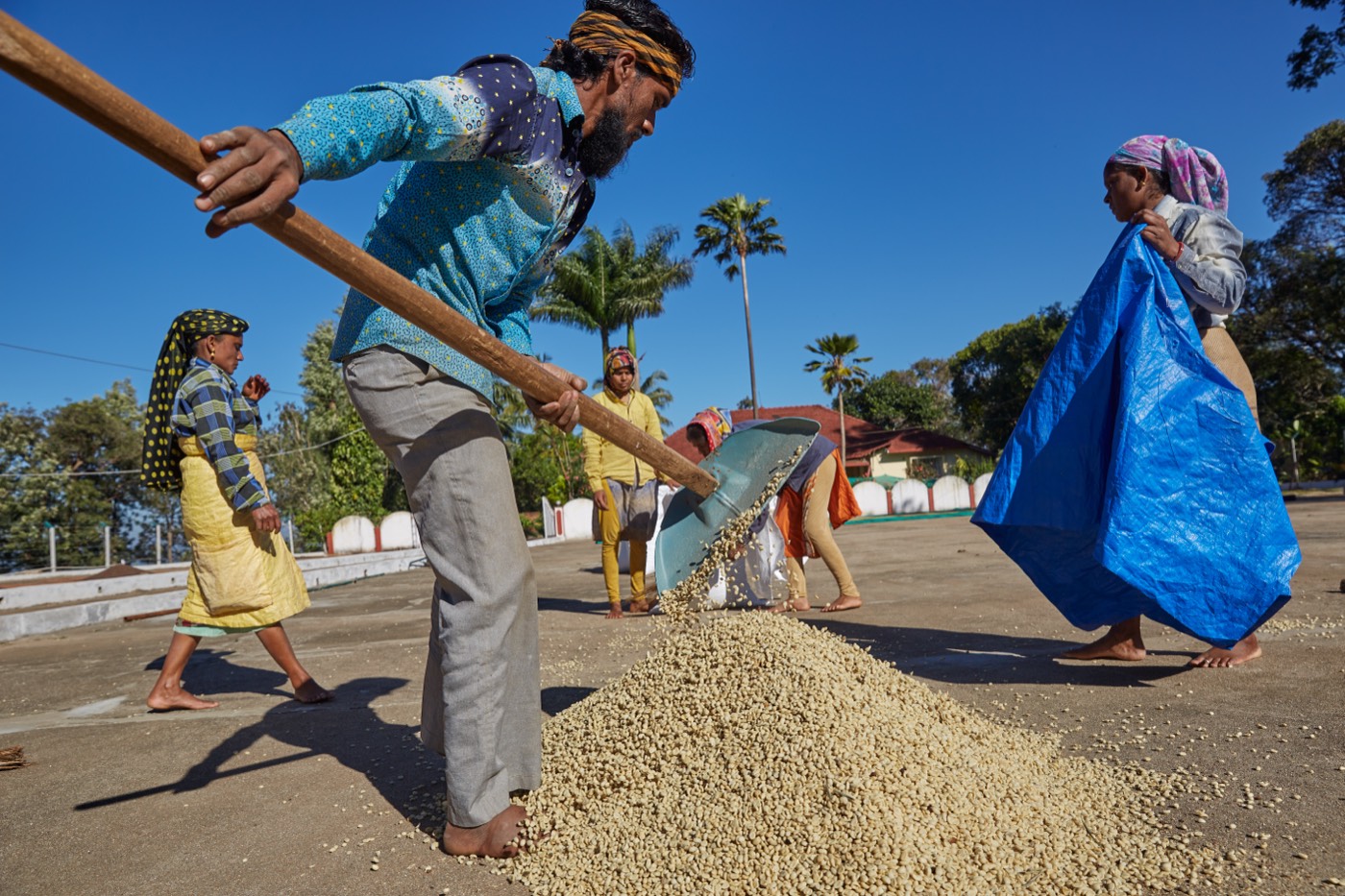
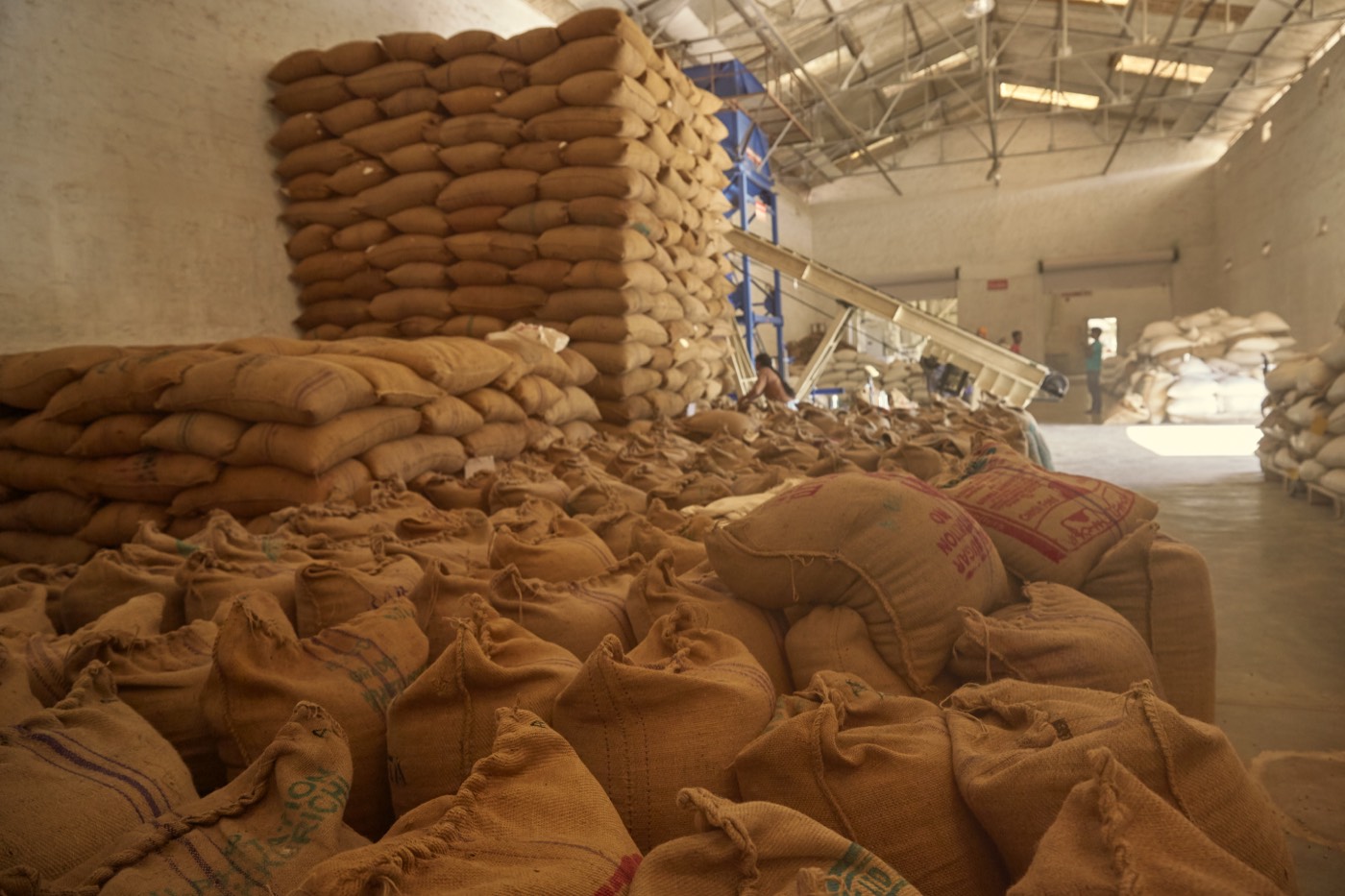
Balanoor produces many different coffees, from washed and natural lots to experimental ones, each with its own profile. Because the group runs its own wet mill, curing works, and export, that range holds up with consistency from lot to lot, and each lot can be understood together with the estate it came from.
That is part of what drew us to the estate. Balanoor gives us a chance to tell a deeper story about Indian Arabica, not only where it was grown, but what was grown and why that matters.
For Kuyil, Balanoor stands for continuity, variety, and a quieter kind of precision. It is less about dramatic processing and more about understanding the plant, the estate, and the long agricultural context behind the coffee.
Balanoor was established in 1937, when the company bought tea and coffee estates from British planters. Over the generations the Kuriyan family grew it into a diversified plantation group, and it is one of India's oldest family-owned plantation companies, with nearly ninety years of continuous heritage. Ashok Kuriyan and his son Rohan lead it today. Many of the British-era homes and the tea factory are still in daily use today.
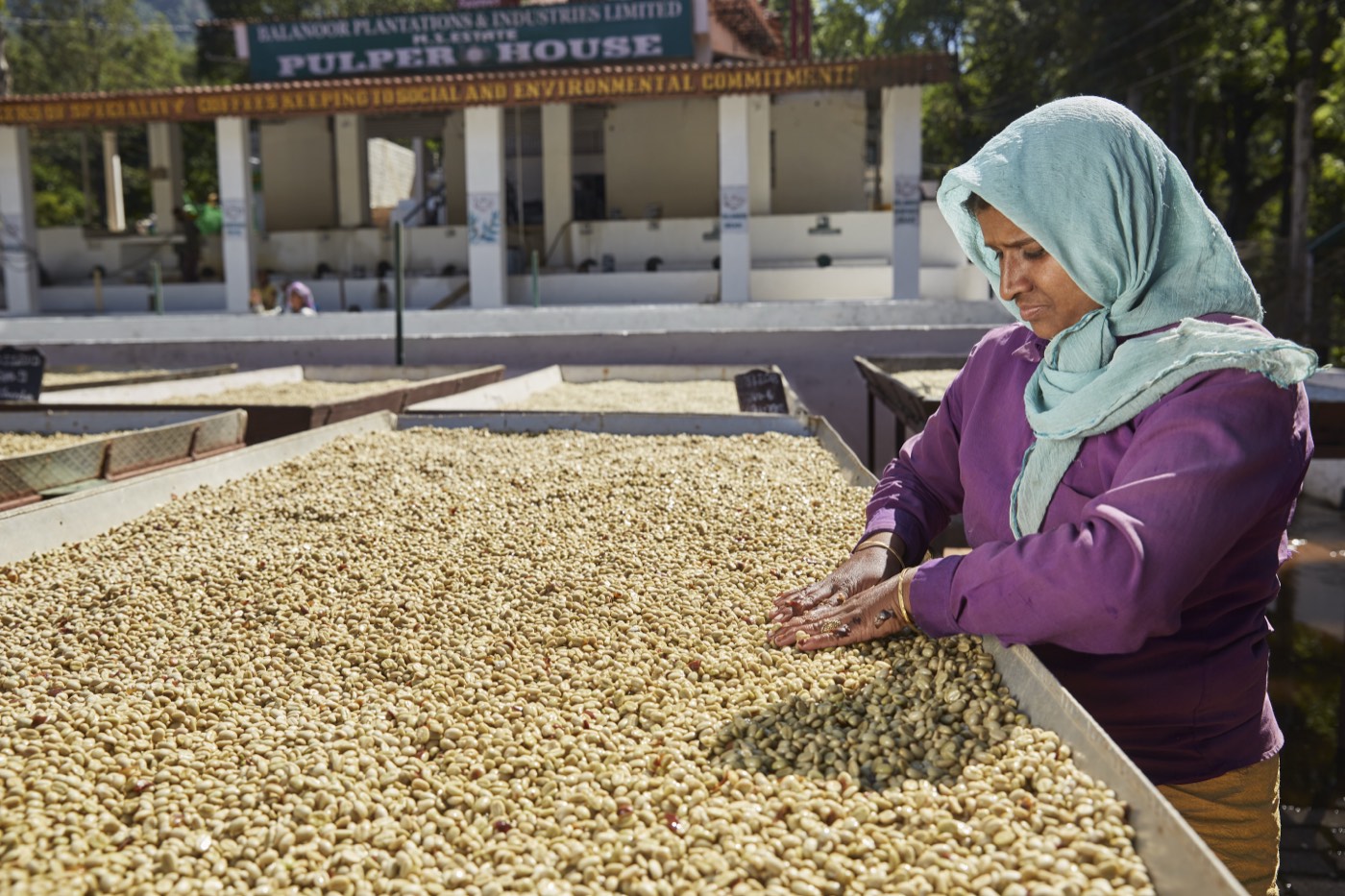
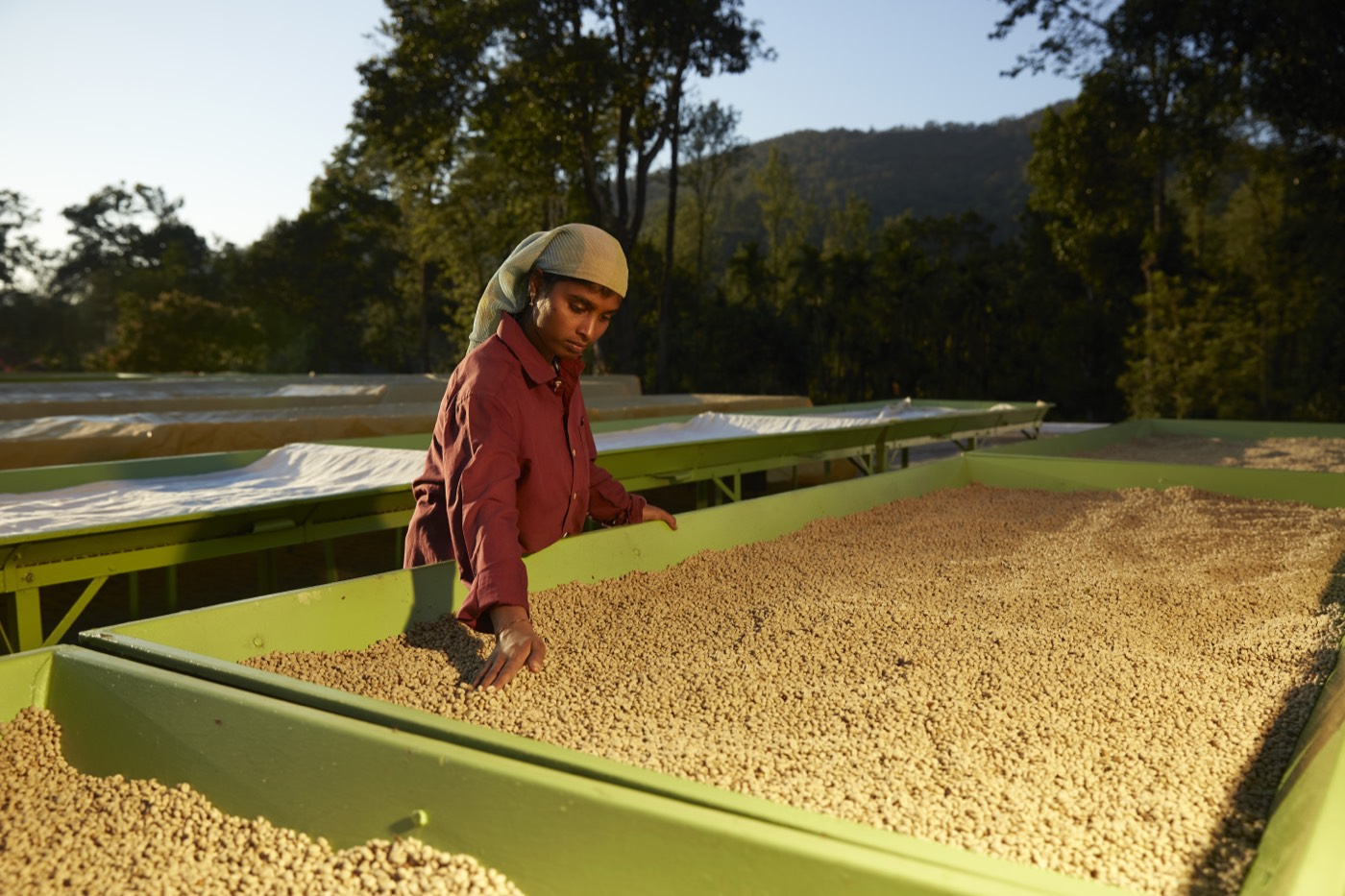
The group runs its own wet mill, curing works, and export, which is why consistency across lots is possible. After milling, the coffee goes through seven stages of sorting, ending with a team that picks out defects by hand. Part of the plantation is certified organic, and the Arabica is Rainforest Alliance certified.
Rohan Kuriyan runs Balanoor alongside his father, Ashok Kuriyan, bringing a thoughtful, forward-looking perspective to the estate’s coffee production.
With a keen understanding of the evolving specialty coffee landscape, Rohan is passionate about exploring new fermentation techniques while continuously refining the quality and consistency of their coffees.
What stands out is the team’s attention to detail. From careful sorting to meticulous post-processing and milling, every step reflects their commitment to producing exceptional coffees, batch after batch.
It’s a wonderful balance of experience, innovation, and a genuine respect for the craft.
For roasters, we share green coffees with full lot information and samples on request. For coffee drinkers, we offer a small roasted selection from the same estates.
Reach out for samples, inquiries,
or to start a conversation.
We've received your inquiry and will
be in touch shortly.