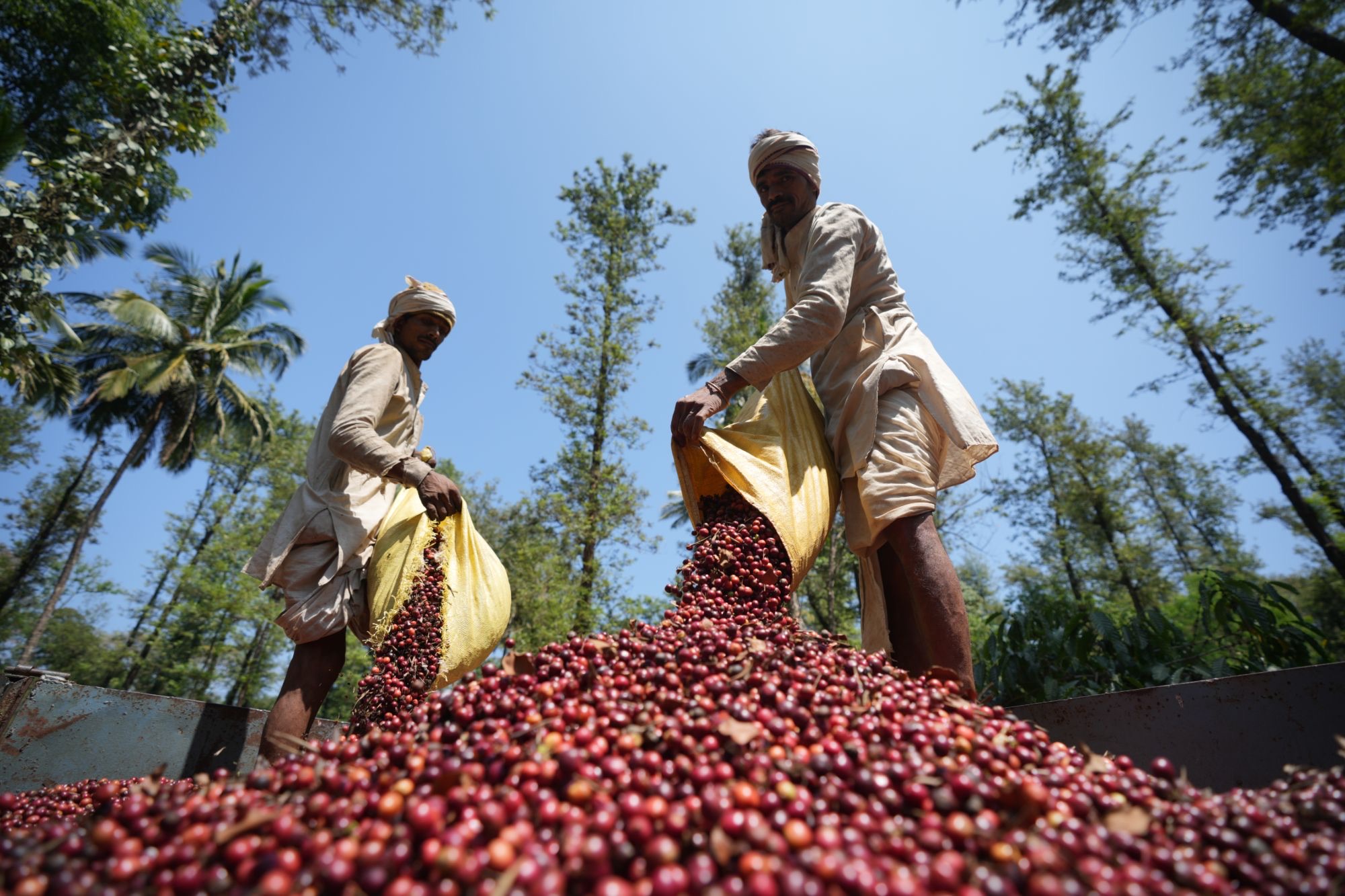
The people behind the coffee.
Our current coffees come from four estates in Karnataka. We choose them through time spent at origin, estate visits, cuppings, and direct conversations with the people who grow and process the coffee.
Our current coffees come from four estates in Karnataka. We choose them through time spent at origin, estate visits, cuppings, and direct conversations with the people who grow and process the coffee.
Each estate approaches coffee in its own way. Some are pushing processing in new directions, some are rethinking what specialty Robusta can be, and others carry generations of farming knowledge into the present. What connects them is the care behind the coffee and the people making those decisions.
Ratnagiri is one of the estates that shows just how far Indian specialty coffee has moved beyond broad regional labels. Its coffees are often defined by a close attention to processing, with fermentation, drying, and post-harvest decisions handled lot by lot rather than through one fixed formula.
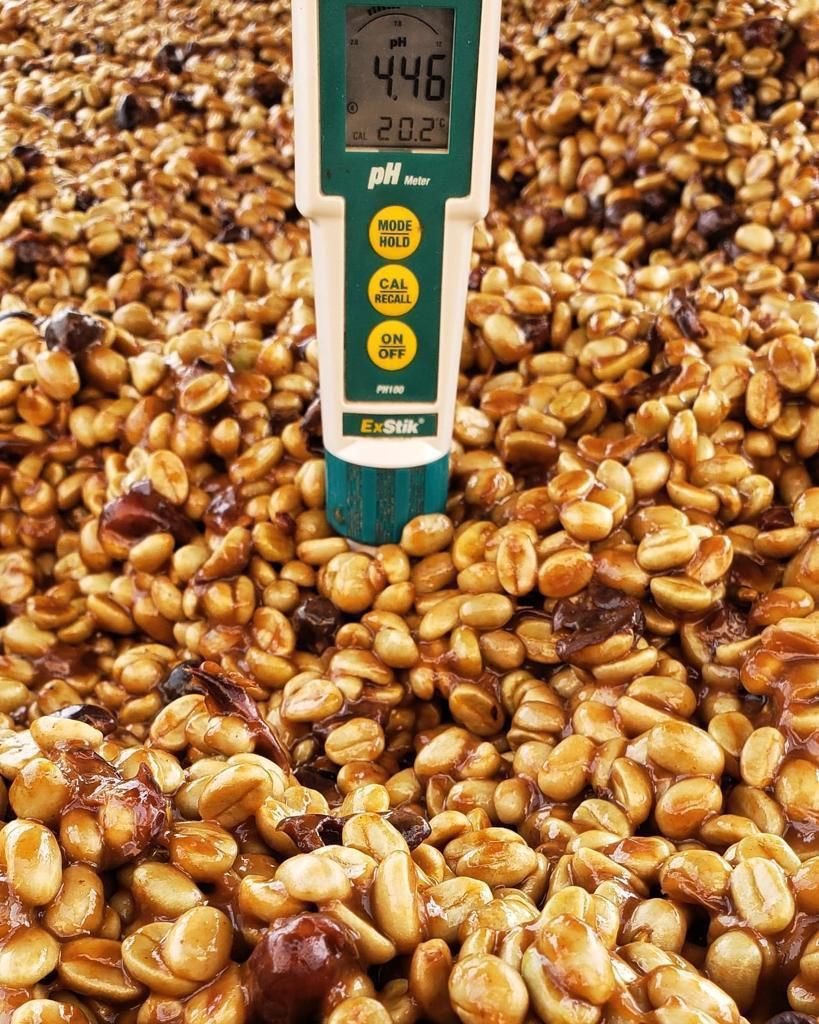
What makes the estate interesting is not experimentation for its own sake, but the discipline behind it. Carbonic environments, thermal steps, selected cultures, extended fermentation, and careful raised-bed drying can all play a role, but the process is only part of the story. The goal is still a coffee that is clean, expressive, and clearly connected to the place it came from.
That balance is what drew us to Ratnagiri. There is curiosity here, but also control. Each lot asks a slightly different question, and the estate’s work is built around learning from the answer.
For Kuyil, Ratnagiri represents a side of Indian coffee that deserves more attention. It is thoughtful, technical, experimental, and still deeply rooted in origin. The coffees can be vivid and modern in their processing, but they remain part of a much older coffee landscape shaped by shade, monsoon weather, and generations of farming knowledge.
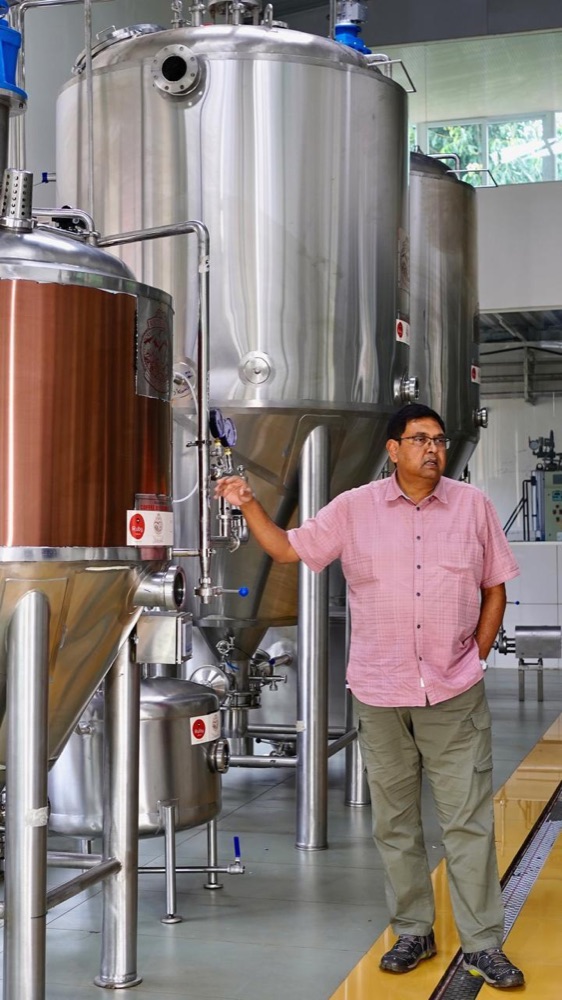
Mr. Ashok Patre is warm, generous, and by any fair account one of the pioneers of Indian specialty coffee. We could have listened to him for hours: how he first came to coffee, what drives him, and how he is always asking what to try next. He has been a great source of inspiration and support to us as we set up Kuyil.
Mysore Plantations offers a very different expression of Indian coffee. This is a third-generation family estate, now woman-owned and managed, with roughly 1,300 acres under plantation and a workforce that is predominantly women. Coffee grows here as part of a broader multi-crop system alongside tea, pepper, arecanut, and rubber.
The estate’s identity is closely tied to Robusta, but not in the way Robusta is often treated in conventional coffee trade. Here, it is approached as a coffee worthy of careful harvesting, preparation, traceability, and individual evaluation. That matters to us because one of the most interesting things happening in Indian coffee right now is the way producers are asking buyers to look again at Robusta on its own terms.
The washed Robusta from Mysore Plantations shows why that matters. In the estate profile, it cups with brown sugar, red apple, walnut, and cinnamon, with a clean structure and a sweet, medium-length finish. It is presented not as a secondary coffee or anonymous blend component, but as a coffee with its own identity and place.
What stays with us most about Mysore, though, is the people behind the work. The estate is not simply about a variety or a process. It is about a new generation carrying forward a family plantation while changing the way specialty Robusta is seen and valued.
For Kuyil, Mysore Plantations represents both continuity and possibility. It reminds us that Indian coffee is not one story, and that some of the most important changes happening in the industry come from producers who are willing to challenge old assumptions.
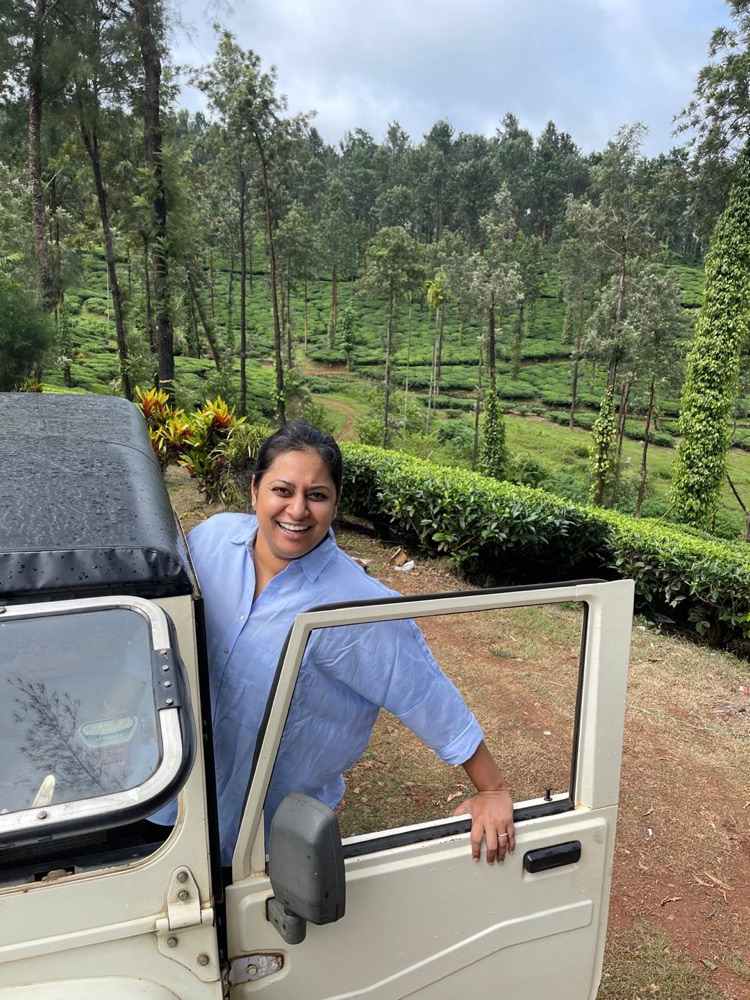
Namita is a third-generation grower and now runs Mysore Plantations herself. She is improving her Robusta with regular quality checks and careful soil care, and the coffee gets better every year. She also promotes and encourages women workers across the farm, and runs a beautiful little guesthouse on the estate.
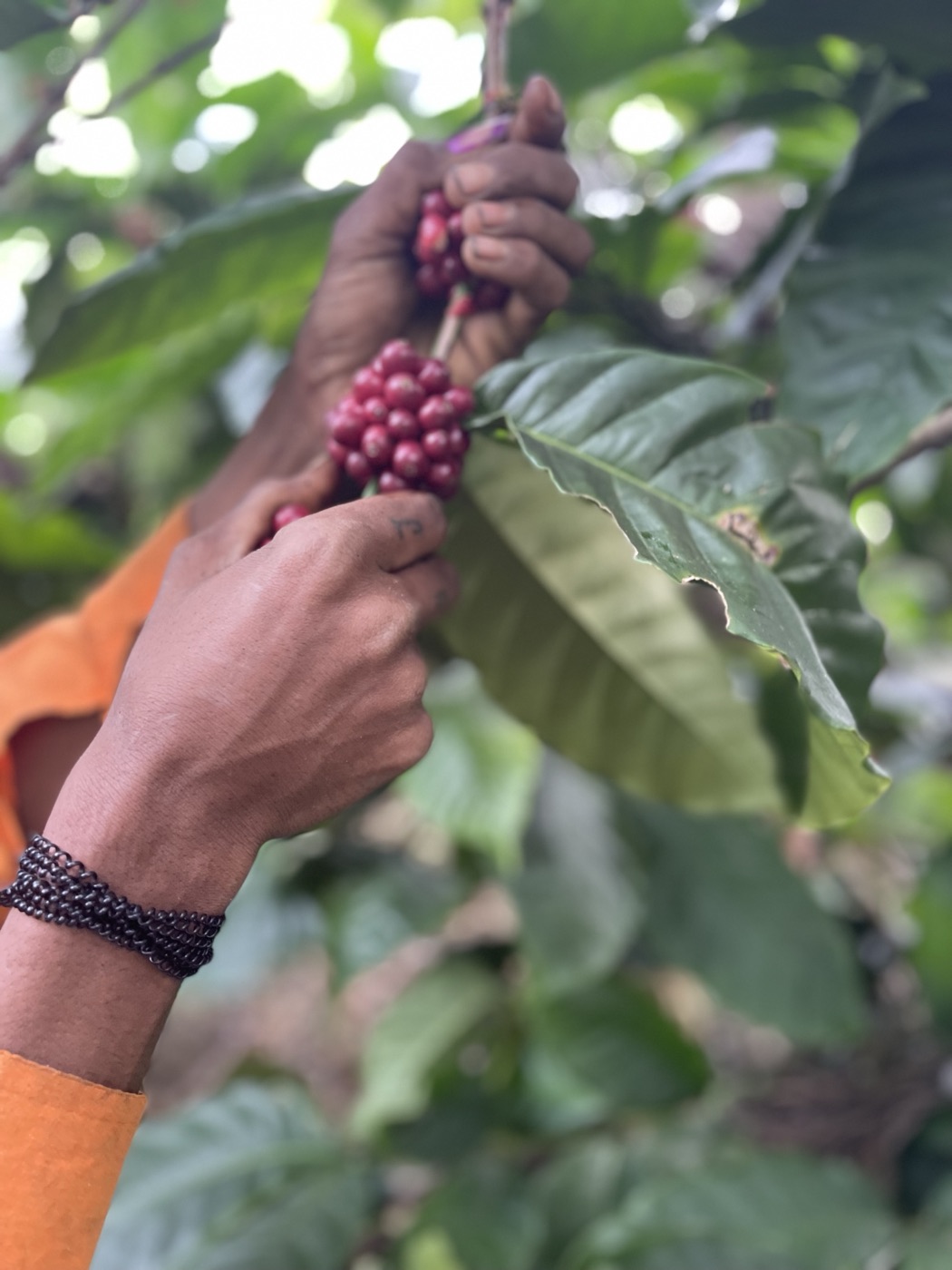
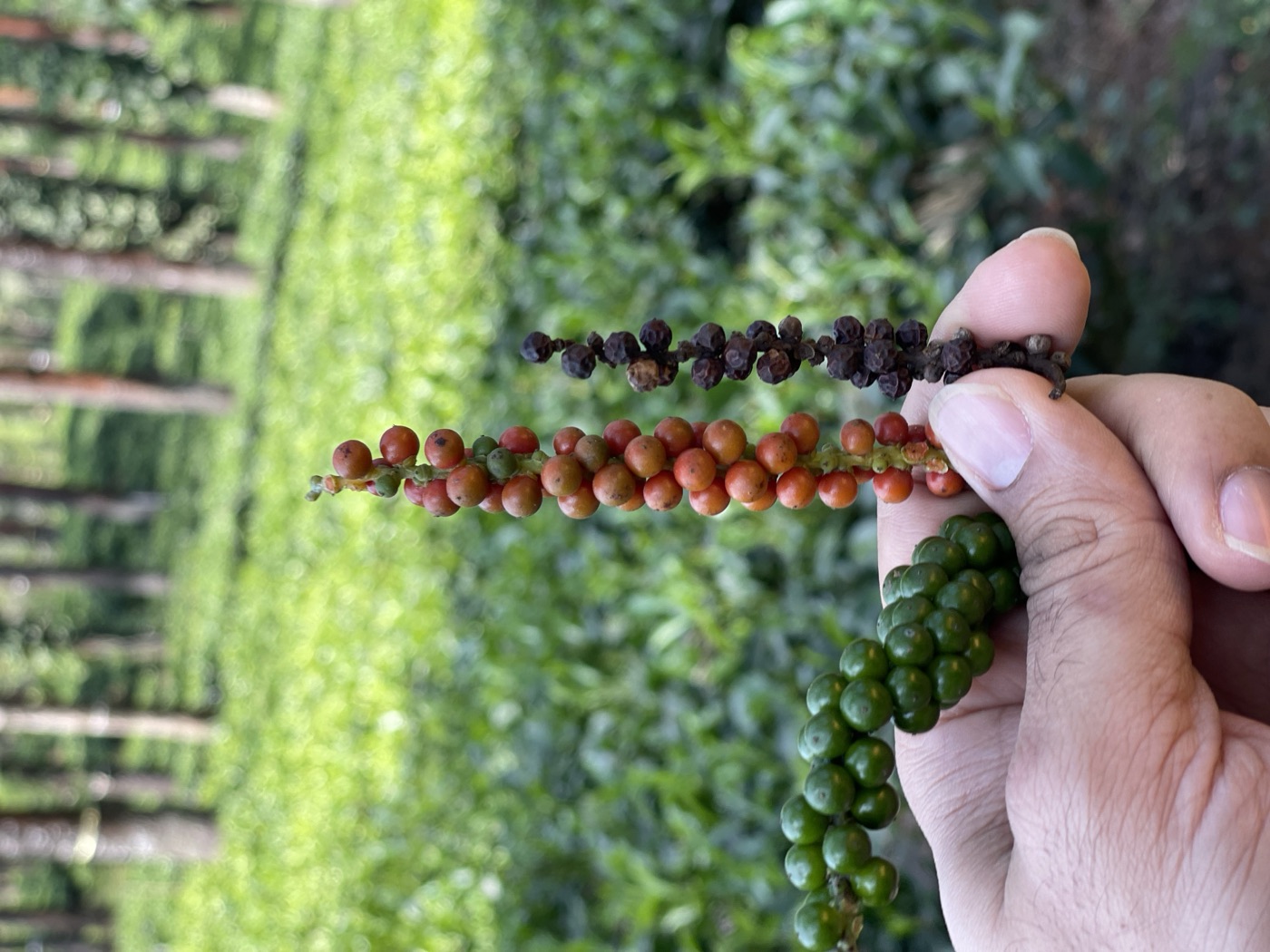
Harley Estate carries the feeling of an older coffee landscape. Commonly dated to around 1864, it is one of Karnataka’s historic plantations, set in the Manjarabad region of Sakleshpur in the Malnad hills. This part of the Western Ghats is defined by forest, heavy rainfall, waterfalls, and dense native vegetation, and the estate still reflects that relationship between coffee and the surrounding landscape.
Today, Harley is led by two sisters who are carrying that history forward in a very contemporary way. The estate combines traditional plantation knowledge with regular soil and leaf-tissue analysis, research-led decision making, and a strong conservation focus. Coffee grows under extensive shade alongside cocoa, banana, cardamom, pepper, and arecanut, while native forest and wildlife corridors remain part of the wider estate ecosystem.
That combination of heritage and modern agronomy is what makes Harley especially compelling. It does not feel like an estate preserved in the past. Instead, it feels like a place where history is still active, being adapted and carried forward through science, conservation, and thoughtful farming.
The coffees themselves reflect that same balance. Harley’s honey and fruit-forward processing work shows how distinctive profiles can be created without losing sight of the farm itself. One of the lots we were drawn to uses a banana-leaf-associated honey process, a coffee that immediately sparks curiosity but still asks to be judged first by the cup and by how clearly the process is documented.
For Kuyil, Harley is a story about continuity. About an old estate shaped by the Malnad landscape, led today by women, and moving forward through research and conservation rather than nostalgia.
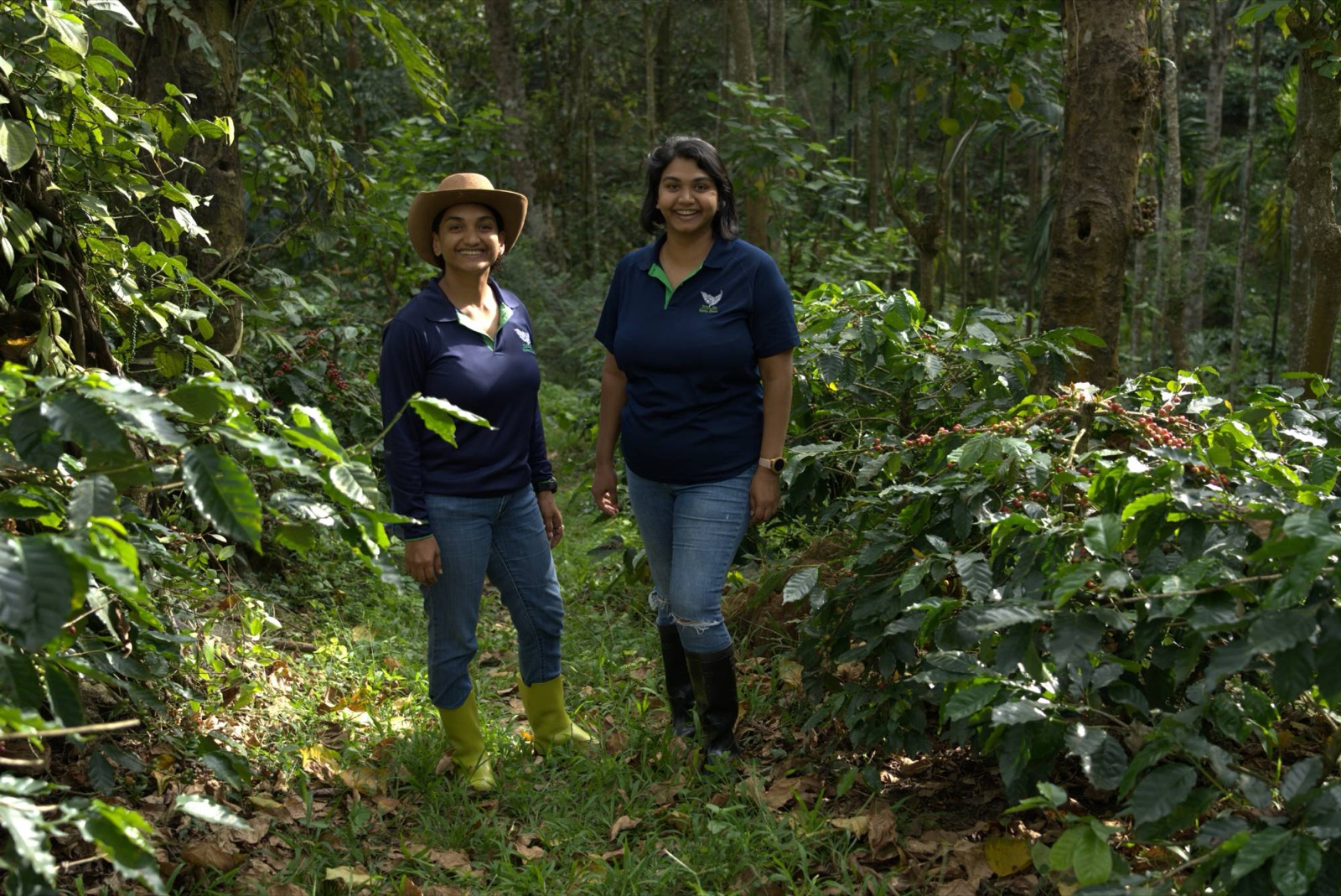
Harley is a fifth-generation estate. The two sisters who run it are carrying the family name and legacy forward, and taking it further. The estate is beautiful, with a little lake tucked away on the land and elephants roaming wild. They grow cocoa too.
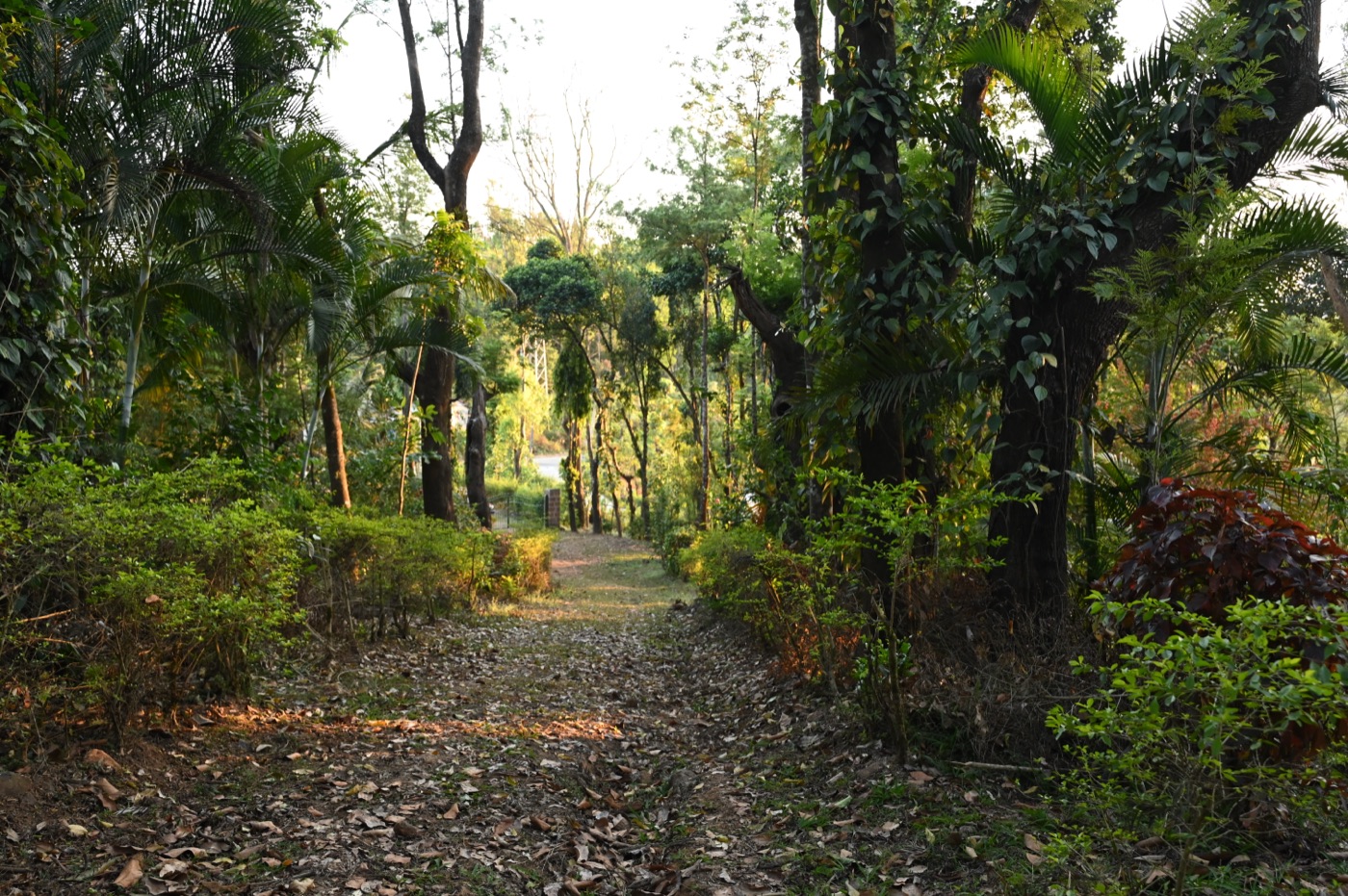
Balanoor represents another side of Karnataka coffee, one where long estate experience meets scale, consistency, and a wide range of coffees.
The estate grows Arabica and Robusta alongside tea, rubber, pepper, and arecanut, and it works with traditional Indian Arabica cultivars that matter to India’s fine-cup identity. For roasters, that shifts the conversation away from process alone and back toward the plant itself. A coffee can be interesting because of how it was fermented, but it can also be interesting because of the variety, the place where it grew, and the way those two things interact.
Balanoor produces many different coffees, from washed and natural lots to experimental ones, each with its own profile. Because the group runs its own wet mill, curing works, and export, that range holds up with consistency from lot to lot, and each lot can be understood together with the estate it came from.
That is part of what drew us to the estate. Balanoor gives us a chance to tell a deeper story about Indian Arabica, not only where it was grown, but what was grown and why that matters.
For Kuyil, Balanoor stands for continuity, variety, and a quieter kind of precision. It is less about dramatic processing and more about understanding the plant, the estate, and the long agricultural context behind the coffee.
Rohan is a very astute person, and his understanding of the changing coffee world was great to see. He is passionate about experimenting with fermentation while making his coffee consistent and better, and the team is thorough with sorting and post-processing milling, which shows in every batch.
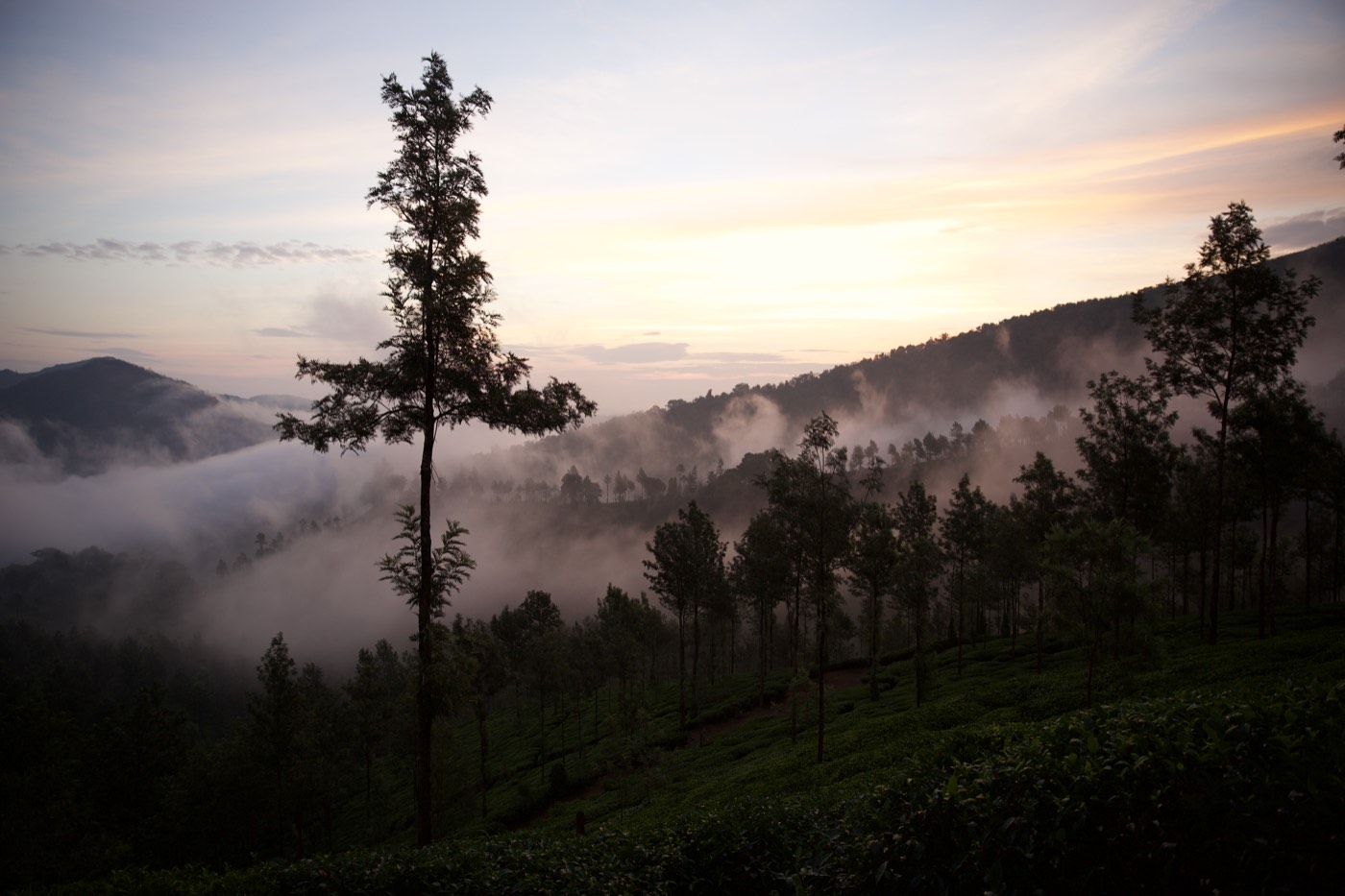
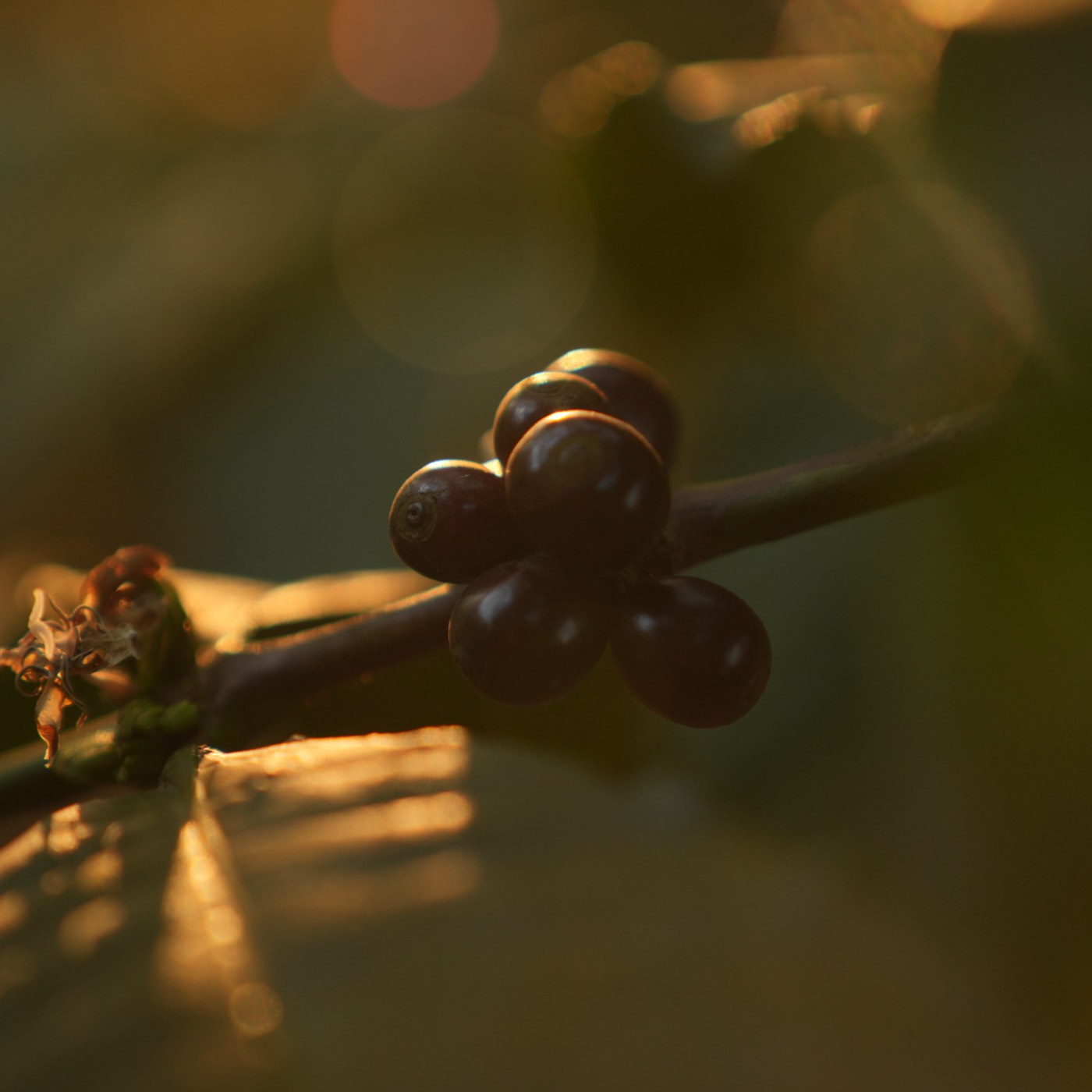
More of their stories are coming. We are building fuller profiles for each estate, including the people, landscapes, varieties, processing, and farming practices behind the coffees we share.
For roasters, we share green coffees with full lot information and samples on request. For coffee drinkers, we offer a small roasted selection from the same estates.
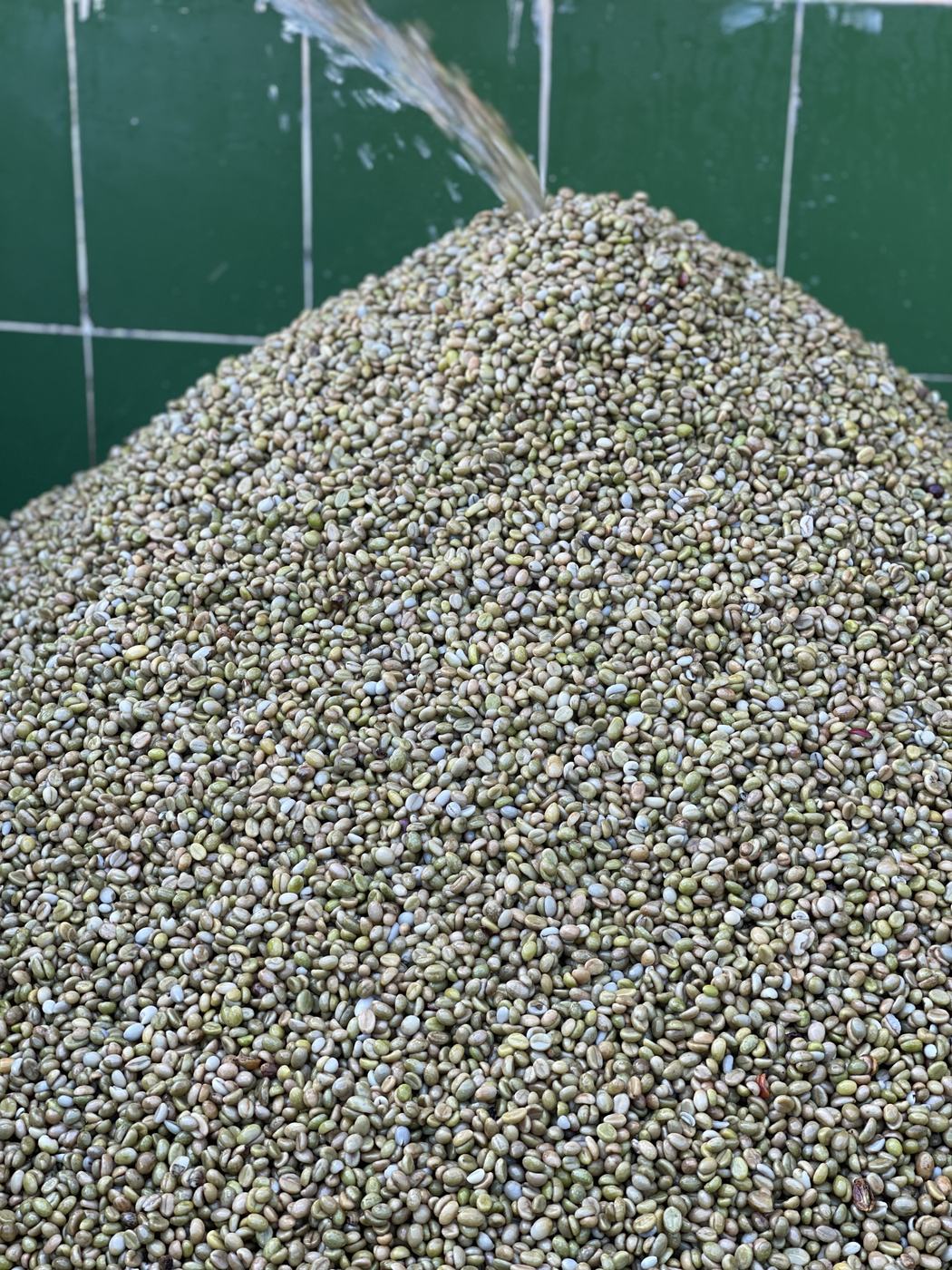
Current green coffees from our Karnataka estates, with estate, variety, process, harvest, and altitude listed for every lot.
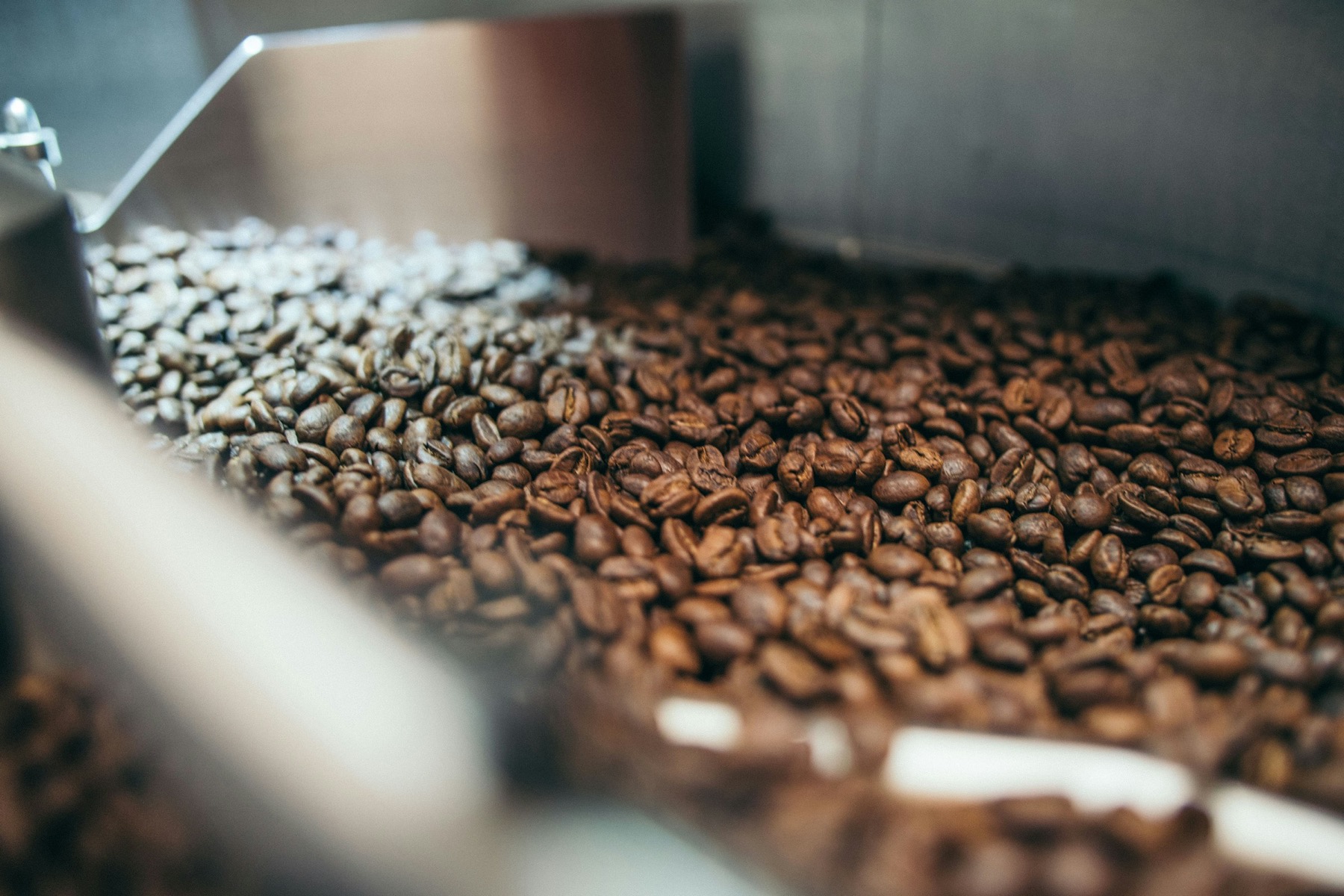
A small rotating selection of the same estate coffees, roasted in Atlanta and shared while our online shop is being prepared.
Reach out for samples, inquiries,
or to start a conversation.
We've received your inquiry and will
be in touch shortly.