What Is Indian Specialty Coffee? A Guide to India’s Emerging Coffee Scene
Beyond a familiar coffee story
For many American coffee drinkers, Indian coffee means a strong, milk-forward filter kaapi or the low-acid character of Monsooned Malabar. Both belong to India’s coffee story, but neither defines its full range. Across the Western Ghats, producers are separating varieties, picking ripe cherry, refining fermentation and drying, and building traceable lots for specialty buyers. The result is a category worth approaching on its own terms: Indian specialty coffee.
What makes a coffee “specialty”?
The Specialty Coffee Association now describes specialty coffee as coffee recognized for distinctive characteristics and higher value in the marketplace. That is a useful frame because quality is more than a single score. A specialty lot is shaped by the seed, the landscape, careful harvest and processing, stable storage, skilled roasting, and the people who preserve value at every step. For Kuyil, the phrase also signals traceability: knowing the producer, place, variety, process, harvest, and sensory character behind a coffee.
Where Indian specialty coffee grows
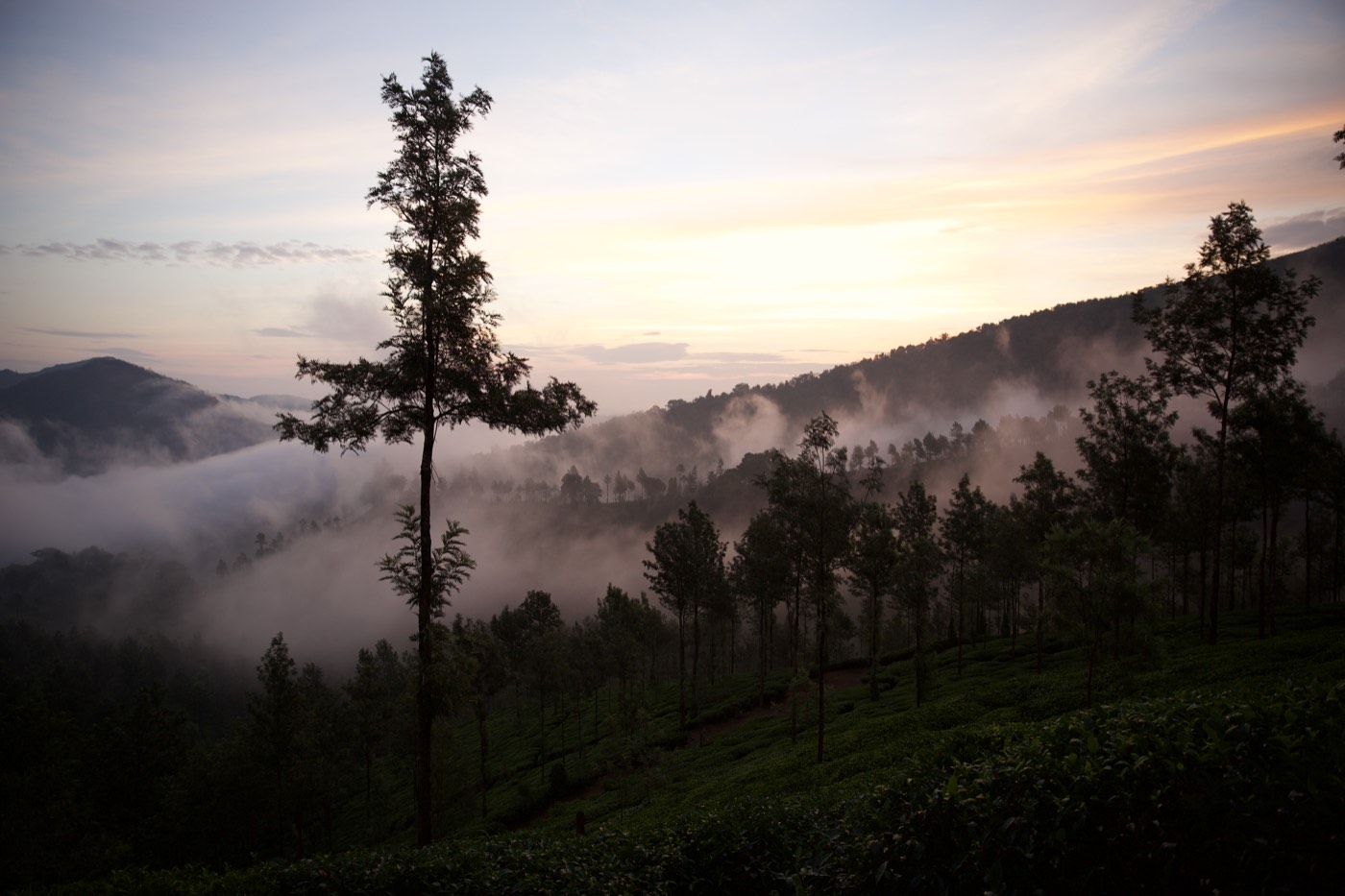
Most of India’s established coffee belt lies in the southern states of Karnataka, Kerala, and Tamil Nadu. Farms sit within and around the Western Ghats, a mountain chain known for its biodiversity and monsoon climate. Chikkamagaluru, Kodagu, Hassan, Wayanad, the Nilgiris, and the Pulney Hills each bring different combinations of elevation, rainfall, soil, variety, and farming tradition. Coffee is also grown in newer regions in Andhra Pradesh, Odisha, and Northeast India. The phrase “coffee from India” therefore describes a country, not a single flavor profile.
A landscape built around shade
Indian coffee is commonly grown beneath layered tree cover, often beside pepper, cardamom, fruit, and other crops. Shade moderates heat, contributes organic matter, and makes coffee part of a larger farm ecosystem. It also creates a sensory and cultural identity distinct from exposed, high-density coffee systems. Shade alone does not guarantee quality or sustainability, but it is an important starting point, and one that deserves specific, farm-level documentation rather than a vague claim.
What does Indian specialty coffee taste like?
There is no universal “Indian” cup. A clean washed Arabica may show citrus, florals, cocoa, caramel, and gentle spice. A ripe natural can move toward tropical fruit, berry, wine, or dark sweetness. Honey processing can emphasize syrupy texture and fruit-toned sweetness. Carefully produced Robusta may offer cacao, roasted nuts, spice, dried fruit, and a dense, lingering body without the harshness many buyers expect. Variety and process can be as influential as region.
Why the category is emerging now
India has long possessed the farms, research institutions, skilled labor, and distinct varieties needed for exceptional coffee. What is changing is visibility. More producers are documenting individual lots, experimenting with controlled fermentation, improving drying, and speaking directly with roasters. More buyers are also willing to taste Indian Arabica and Robusta without forcing them into an old commodity stereotype. That combination is creating space for producer identity and cup quality to travel together.
How to explore it
Start with transparent information. Look for a named estate or producer, region, elevation, variety, process, harvest, and useful sensory description. Taste more than one style: washed and natural Arabica, a carefully made honey, and a fine or specialty Robusta. The purpose is not to find one representative Indian coffee. It is to discover how broad the origin can be.
Kuyil’s point of view
Kuyil Origins sources specialty Indian coffee with a simple belief: the coffee should arrive with its place and people intact. We work from producer relationships outward, bringing small, traceable lots from India to roasters and coffee drinkers in the United States. The most exciting part of Indian specialty coffee is not that it is new. It is that a deeper, more specific story is finally becoming visible.
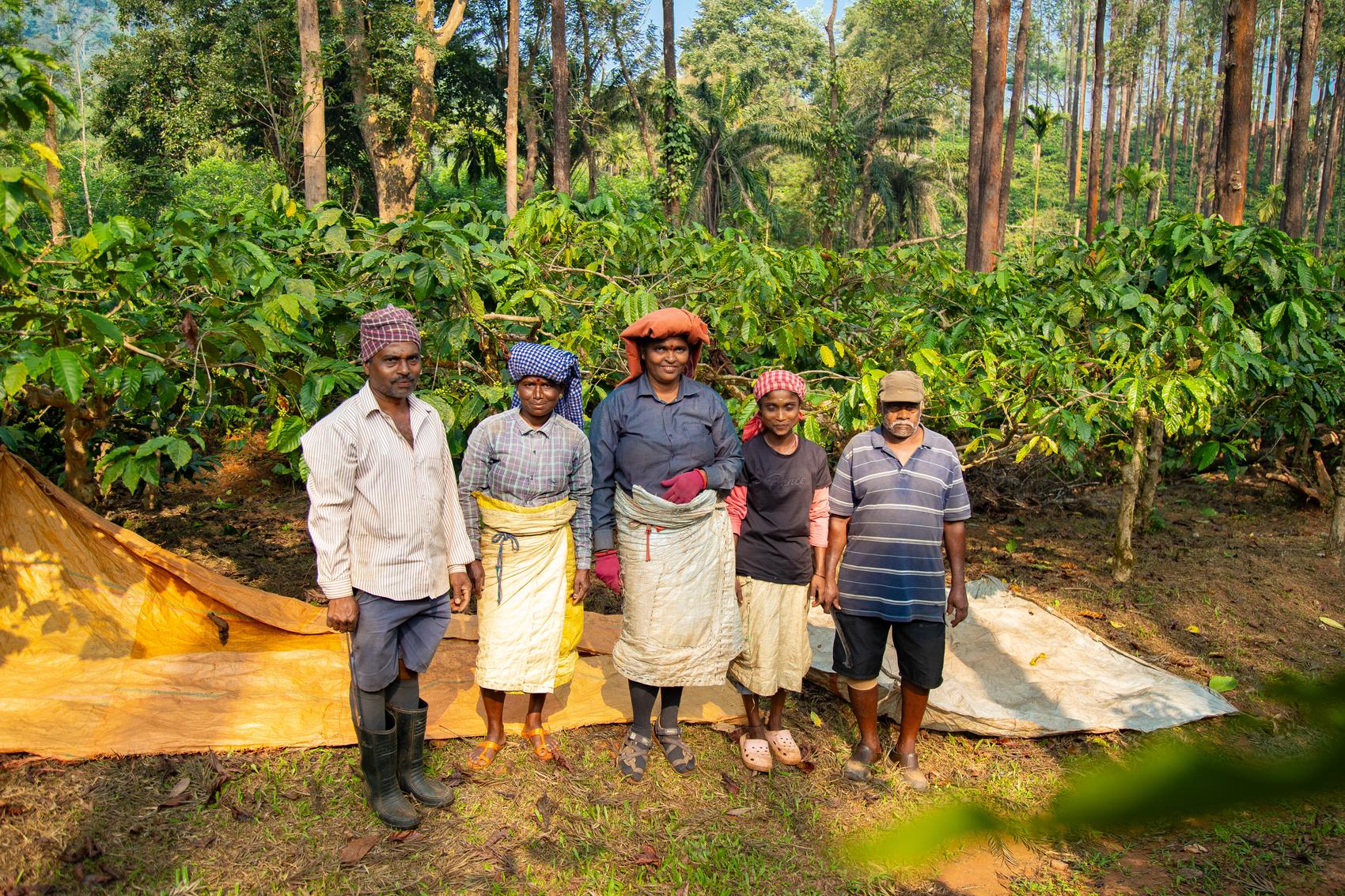
Meet the people behind the coffees, or find the coffees themselves.