A Guide to Indian Green Coffee for Specialty Roasters
A more useful way to evaluate India
Indian green coffee is often presented through broad export grades or legacy flavor expectations. Specialty roasters need a more precise view. India produces Arabica and Robusta, washed and natural coffees, traditional selections and newer cultivars, classic profiles and highly expressive experimental lots. Buying well begins by evaluating the coffee as a traceable lot, not as a country-level shorthand. If you are new to the origin, our introduction to Indian specialty coffee is a good place to start.
Begin with the lot identity
Ask for the producer or estate, region, harvest, species and variety, elevation, process, drying method, lot size, and available quantity. “Plantation A” or “Robusta Parchment” can be useful commercial classifications, but they do not replace farm and process information. For a menu built around story and differentiation, traceability should continue from sample through contract and delivery. Every lot on our green coffee page carries this detail.
Know the main producing landscape
Karnataka is the center of Indian coffee production, especially Chikkamagaluru, Kodagu, and Hassan. Kerala is strongly associated with Robusta, including Wayanad, while Tamil Nadu includes elevated Arabica zones such as the Nilgiris and Pulney Hills. Each contains meaningful variation. Region matters, but farm elevation, shade, variety, harvest practice, and processing often explain the cup more clearly than the state name alone. Meet the estates we work with in Karnataka.
Taste Arabica and Robusta without the old hierarchy
Indian Arabicas such as S795 and Selection 9 can produce balanced, sweet, elegant cups. Fine Robusta deserves a separate evaluation framework rather than comparison with Arabica alone. Clean, carefully harvested Robusta can bring weight, crema, cacao, spice, dried fruit, and sweetness to espresso or stand on its own as a distinctive single origin. Request species-appropriate sample roasting and cupping information.
Understand the process, and its control
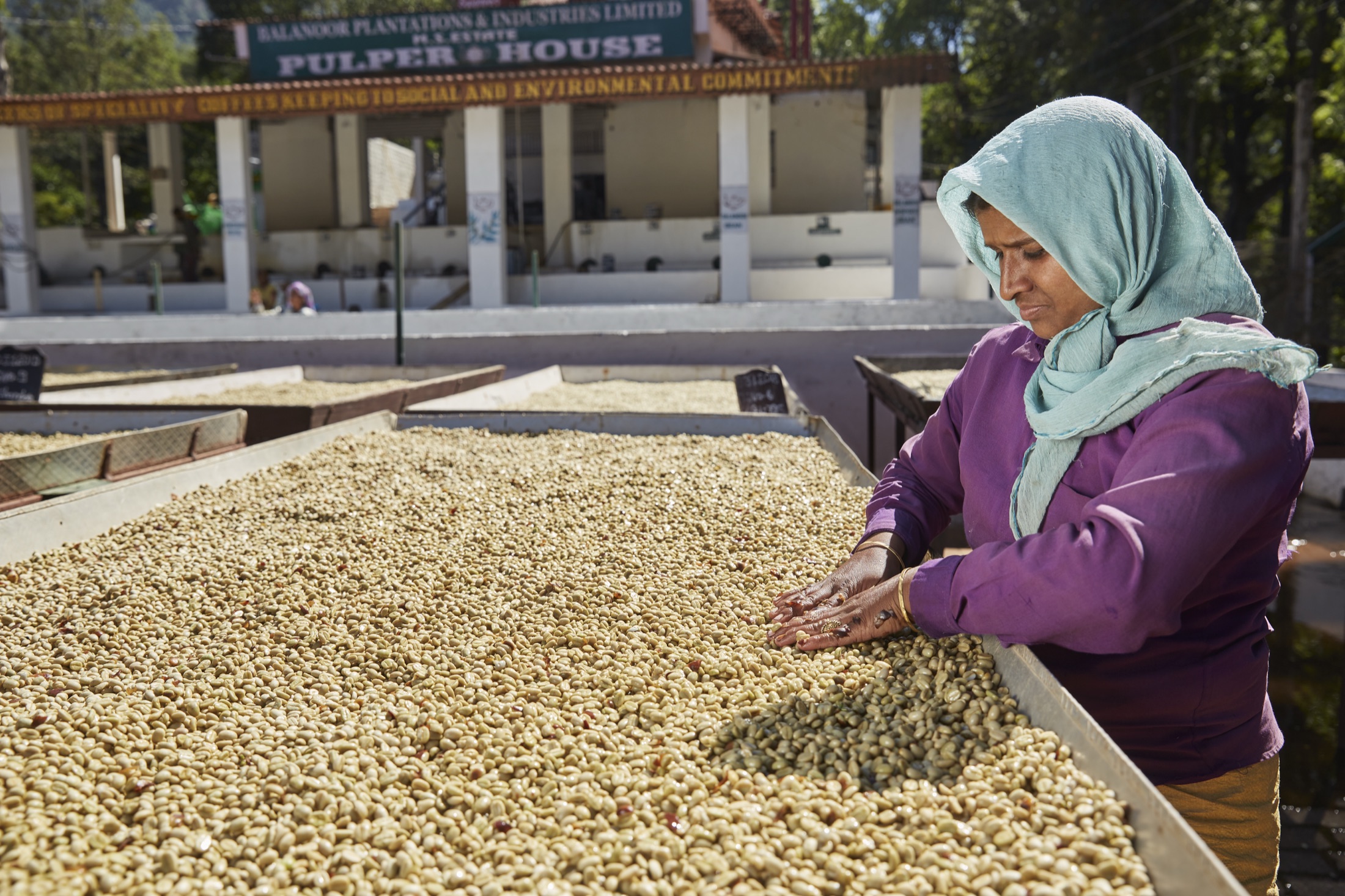
Washed coffees can highlight structure and clarity. Naturals and honeys may build sweetness and fruit intensity. Anaerobic, carbonic, culture-inoculated, or thermal treatments can create striking sensory results, but the process name is not proof of quality. Ask what happened before, during, and after fermentation: cherry selection, vessel, duration, temperature, drying surface, drying time, moisture, and water activity. Estates such as Ratnagiri document these decisions lot by lot.
Sample with the intended use in mind
Cup at least two roast approaches when possible. A dense high-grown Arabica and a lower-density natural should not automatically receive the same sample profile. Evaluate clean cup, sweetness, balance, aftertaste, physical condition, and how the coffee behaves as it rests. Then test the intended application, whether filter, espresso, blend component, or retail single origin, before committing.
Check arrival and storage fundamentals
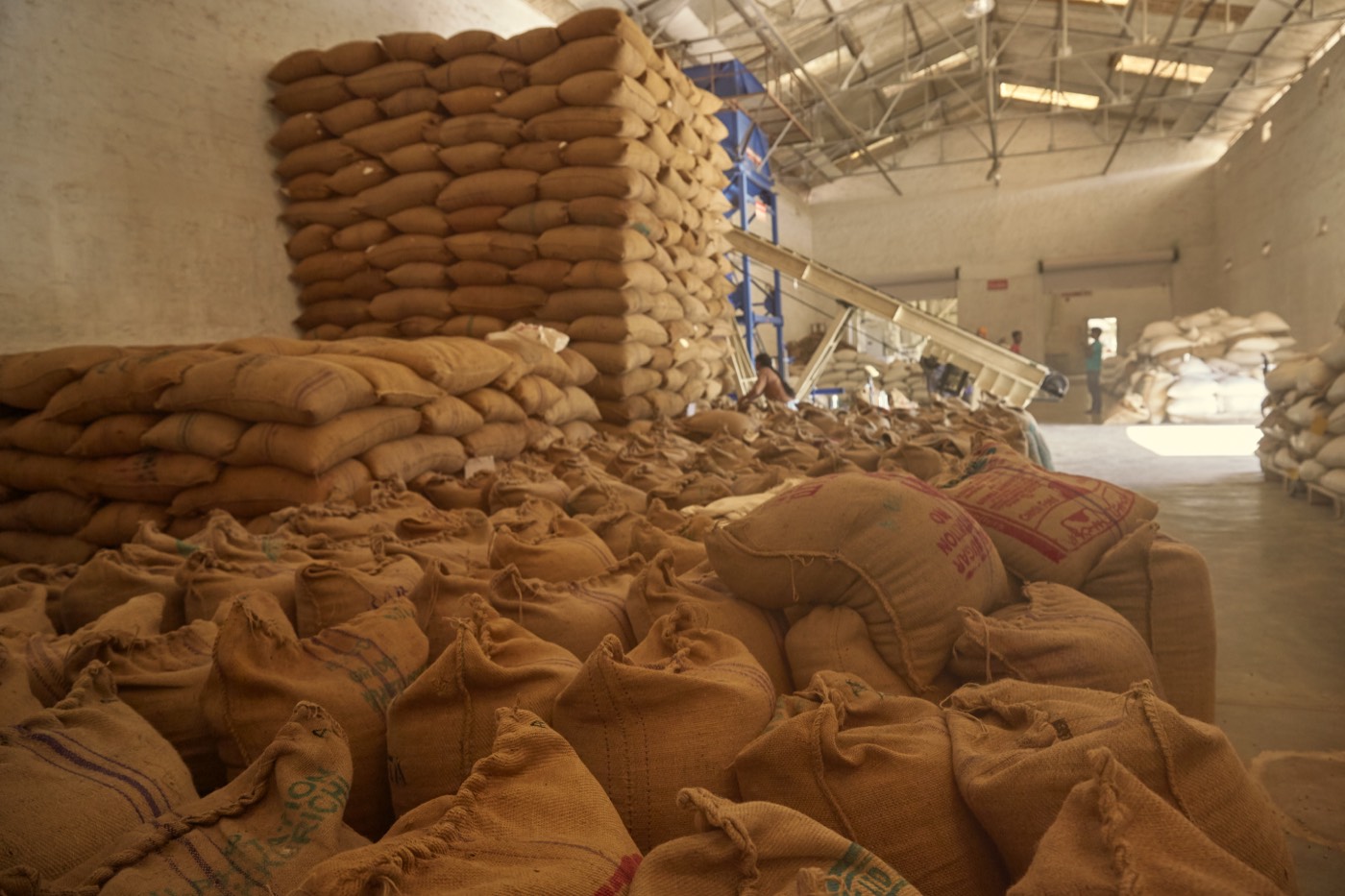
For imported green coffee, packaging and logistics protect the work done at origin. Confirm inner barrier protection, outer bag markings, lot separation, pallet condition, shipment timing, and storage conditions. On arrival, inspect for odor, visible moisture damage, broken liners, and lot discrepancies. Stable, dry, food-appropriate storage matters, especially in humid climates.
Questions to ask an importer
A useful importer should be able to explain who produced the lot, how it was processed, what quantity is actually available, where it is stored, how samples represent landed coffee, and how claims were verified. Ask about landed status, minimum purchase, sample policy, crop timing, pricing unit, and whether the relationship can support repeat buying.
Sourcing through Kuyil
Kuyil Origins brings traceable Indian green coffee to U.S. specialty roasters, beginning with small lots and close producer relationships. Our role is to make India easier to taste and easier to buy: clear information, careful samples, honest availability, and coffees selected for a reason, not simply added to a catalog.
Start with a sample, or meet the people behind the coffees.